r/TheDarkKnightTrilogy • • Mar 10 '14

The Impact of The Dark Knight (2008) on Superhero Movies

24 Upvotes

I like Chris Nolan's Batman movies. It kind of makes me laugh because I got so much shit for being too dark and now, with him, it's like, 'Lucky you.' But that's the way it should be. I wish I hadn't had to go through quite so much torture. They weren't used to that mood then. Comic books were supposed to be light. I did what I wanted to do and it seemed different at the time. And what we did has become normal.

—Tim Burton (Director, Batman, Beetlejuice, Charlie and the Chocolate Factory, Ed Wood)

To me, what was most fascinating is I have two teenage boys and watching the reverence with which they saw it, again and again and again. It really is like their generation's Godfather. It is absolutely a seminal film for teenage boys of that and this era. If I told you I knew why, I'd be lying. It's lightning in a bottle, and you can never explain it. Great script, top-level performances... It just completely connected to something.

—David Koepp (Writer, Jurassic Park, Mission: Impossible, Spider-Man)

I enjoy Chris Nolan's work in general, but I watched the Blu-Ray and it has a thing where you can go to any scene in the movie and go to the making of that. There's nothing that has ever made me feel less like a professional than watching Chris Nolan's group at work. The remote-control miniature cars. Just every technique. The rehearsal of flipping the semi-trailer end over end in the middle of the desert before they blow it up in Chicago... There's one scene where a guy jumps off the top of a skyscraper — they rehearse the jump but for the actual thing they did it CG. 'But for the rehearsal you did jump off the building?' 'We have it as a reference.' Wow. Chris Nolan is quite great. My favourite is Memento, but I'd like to learn how to do these things.

—Wes Anderson (Director, Moonrise Kingdom, Rushmore)

[W]hy was The Dark Knight such a massive phenomenon five years ago? This may be hard to comprehend, but it was a smash hit because of the quality of the marketing and the final product, plain and simple. It was the rare case of an incredibly exciting marketing campaign that gave way to a film that actually lived up to the hype. From a marketing standpoint, The Dark Knight was an absolute perfect storm. You had a popular original film that left fans primed for the next installment. You had the trump card of being able to market an extremely well-regarded actor playing the most recognizable fictional villain in modern history. The superb trailers promised a sweeping and epic adult crime drama with visual poetry, genuine nuance, and a number of trusted actors supporting Christian Bale (never underestimate the Morgan Freeman factor). Warner Bros. didn’t drown us in countless trailers and spoilerly-clips either. We had the usual character posters, those weird viral marketing games, and demographic-skewing television spots, but up until the review embargo broke, almost nothing about the plot was known.

—Scott Mendelson (Film Critic) - Lessons of 'The Dark Knight' on its Fifth Anniversary, Forbes.com, July 18, 2013

For this week's discussion, let's discuss the impact The Dark Knight had on superhero movies.

The massive impact was discussed by many people, particularly in its impact in starting a trend of darker comic-book themed movies.

Was the impact positive, was it mixed, or is this trend merely a negative attempt to ape the success of the film, the consequences of which give us generic movies? Some defenders of the current trend are positive toward The Dark Knight's alleged impact in allowing for darker themes in modern superhero movies, while critics of the trend point to movies like Man of Steel, Star Trek Into Darkness and other blockbusters as negative examples of how The Dark Knight impacted the film climate (even though many of the critics of the trend probably love The Dark Knight).


r/TheDarkKnightTrilogy • • 11h ago Heartwarming

Another glazing post

5 Upvotes

Hello friends,

I’m brand new to this subreddit and The Dark Knight has been my favorite movie of all time since high school and I’m almost 24 now and it hasn’t changed. There’s something about this movie/ trilogy that’s always struck a cord with me, a purity to it. These movies and superhero movies came from a generation that was still trying to prove itself and what came of it were movies that tried to rise above being simply comic accurate and tried to be something more that connected to general audiences. I don’t mean to disrespect The Batman because I love that movie but it never truly lived up to the emotional heights that this trilogy gave me (and tbf hasn’t been given the chance to) even for all the flaws that TDKR had. I don’t really know where I’m going with this but I just wanted to profess my love and appreciation for these movie


r/TheDarkKnightTrilogy • • 6h ago

Wanna know when I got these scars??

Thumbnail youtube.com
0 Upvotes

r/TheDarkKnightTrilogy • • 1d ago Bravo

THE DARK KNIGHT But AS A Micheal Mann Film in The 1980s Spoiler

Post image
10 Upvotes

Photo Illustrator by


r/TheDarkKnightTrilogy • • 1d ago

How Did Your Theater React?

5 Upvotes

This is just a fun post to share what you remember in the theater watching any of the three films.

Two moments stand out to me. When Batman dropped Maroney off the balcony, I was shocked, and then you see his leg break. After Batman jumps down with his cape, gliding and landing from the same distance, there was a decent chuckle from the audience.

The second is also a dark night moment when Batman does the wall flip trick with the Batpod. The audience starts clapping and cheering. I was only 13 at the time and I was at the theater by myself so that was relatively new to me. Seeing people react like it was a sporting event.

The last one I remember is from TDKR when it's revealed Bruce survived the explosion and Alfred looks up, people start clapping. Personally I dislike this moment because the idea of Bruce dying hit harder emotionally. When he did "die" I actually cried.


r/TheDarkKnightTrilogy • • 2d ago

“ You either die as the hero… Or live long enough to become the villain… “

Thumbnail gallery
2 Upvotes

r/TheDarkKnightTrilogy • • 3d ago

The Bat, The Cat... and The Mercenary

9 Upvotes

Inart's Collectibles Catwoman and Hot Toys Batman, Armoury and Bane.

All 1/6th Scale.

More on my insta

https://www.instagram.com/raphaelsonesixthstudio?fqnt=bTV2eDI3aHoxOXll


r/TheDarkKnightTrilogy • • 3d ago

It’s that time of year again

Thumbnail youtu.be
3 Upvotes

“Some joker wants to race…”


r/TheDarkKnightTrilogy • • 2d ago

The Exception to the Rule

Thumbnail reddit.com
1 Upvotes

r/TheDarkKnightTrilogy • • 2d ago

Batman Begins (2005): Fumetti, Regia, Cinema Anni '70 e Stoicismo

1 Upvotes

Batman Begins (2005): Fumetti, Regia, Cinema Anni '70 e Stoicismo

Introduzione: Tono e Atmosfera

Ciao a tutti, è un vero piacere vedervi. Mettetevi comodi per un istante, perché oggi voglio parlarvi di un film che significa moltissimo per me: Batman Begins di Christopher Nolan, uscito nel 2005.

Contesto Storico e l'Arrivo di Christopher Nolan

Vedete, per apprezzare davvero ciò che accadde nel 2005, bisogna ricordare a che punto si trovasse la saga all'epoca. Nel 1997 avevamo avuto Batman & Robin — un film che era, diciamo così, decisamente sopra le righe. A tratti persino pacchiano, a dire il vero. La Warner Bros. si rese conto di essere finita in un vicolo cieco, così già verso la fine del 2003 decise di fare tabula rasa e di ripartire completamente da zero con un reboot dell'intera saga.

E chi decisero di chiamare? Un giovane regista britannico di nome Christopher Nolan. Ora, Chris era già celebre per la sua capacità di giocare con il tempo e di utilizzare un brillante montaggio alternato — un talento che si intravedeva già chiaramente in Memento. Poi, gli studios videro di cosa era capace con attori del calibro di Al Pacino e Robin Williams in Insomnia.

Questo li convinse definitivamente. Diedero a Chris carta bianca — la totale libertà creativa — per reinventare il Cavaliere Oscuro. Nolan accettò di buon grado l'incarico, unì le forze con David S. Goyer per scrivere il soggetto e la sceneggiatura e, insieme, costruirono questa straordinaria prima ora di film. Perché la cosa meravigliosa di questa pellicola — e non molte persone la apprezzano fino in fondo — è la pazienza. Non si vede nemmeno il protagonista indossare il costume di Batman per un'ora intera! Chris dedica tutta la prima metà del film a forgiare l'uomo dietro la maschera.

Cast e Colonna Sonora

Parliamo del cast... semplicemente straordinario. C'è Christian Bale, che si ritrova a dover interpretare tre uomini completamente diversi all'interno dello stesso film: il giovane traumatizzato e spezzato dal dolore, il miliardario playboy viziato e spericolato, e la terrificante creatura della notte.

E guardate da chi è circondato. C'è Gary Oldman nei panni di Jim Gordon, che sembra letteralmente uscito dalle pagine dei fumetti. C'è Morgan Freeman nel ruolo di Lucius Fox — classe pura, un carisma naturale e senza sforzo. Cillian Murphy nei panni dello Spaventapasseri, capace di farvi venire davvero i brividi. E, naturalmente, un vecchio attore londinese dal cuore cockney a interpretare Alfred... direi che se l'è cavata piuttosto bene, tutto sommato.

E poi la musica! Hans Zimmer e James Newton Howard. Proprio come la colonna sonora di Michael Giacchino in The Batman, questa musica ti entra letteralmente sotto pelle. Non si limita ad accompagnare le immagini: ti proietta direttamente dentro la mente di Bruce Wayne.

Le Ispirazioni Fumettistiche

Ora, proprio come ho fatto quando abbiamo parlato di The Batman, diamo uno sguardo ai fumetti. Perché Christopher Nolan e David S. Goyer hanno fatto i compiti a casa per bene e hanno attinto ai migliori classici di sempre:

Batman: L'uomo che cade (The Man Who Falls): È la vera spina dorsale della prima ora. Il giovane Bruce che precipita nel pozzo, i pipistrelli che gli sciamano intorno e poi il suo viaggio attorno al mondo per apprendere da diversi maestri — incluso un cacciatore di taglie di nome Henri Ducard, che Chris ha sapientemente fuso con Ra's al Ghul.

Batman: Anno Uno (Year One): Il capolavoro di Frank Miller è ovunque in questo film. Il degrado e il vapore dei Narrows, i poliziotti corrotti come il detective Flass, la prima goffa uscita notturna di Bruce con un semplice passamontagna... e quella sequenza geniale all'Arkham Asylum in cui aziona un dispositivo ad ultrasuoni nello stivale per richiamare uno stormo di pipistrelli e fuggire dalla polizia. Persino il finale sul tetto con la carta da gioco del Joker arriva direttamente da Anno Uno.

Il Lungo Halloween e Cavaliere Maledetto (The Long Halloween & Haunted Knight): Dalle opere di Jeph Loeb e Tim Sale hanno ripreso la figura imponente del boss mafioso Carmine Falcone, la tossina della paura dello Spaventapasseri e quella battuta memorabile: "Il dottor Crane non c'è al momento, ma se vuole fissare un appuntamento...". Semplicemente brillante.

Struttura Drammaturgica: I Quattro Atti e i Quattro Villain

Un altro aspetto affascinante della sceneggiatura è che questo film è strutturato esattamente in quattro atti, e ogni atto corrisponde a un diverso antagonista:

Bruce Wayne stesso (che nel primo atto deve combattere contro i propri demoni interiori)

Carmine Falcone

Lo Spaventapasseri (Jonathan Crane)

Ra's al Ghul

Devo dare merito al canale YouTube Just Right, che per primo mi ha aperto gli occhi su questa geniale costruzione in quattro atti: ha un senso drammaturgico perfetto, perché ogni singolo atto si apre con una caduta (Fall) e si chiude con una risalita (Rise), rispecchiando il ciclo continuo che governa l'intero film.

Atto I – La caduta e la risalita di Bruce Wayne: Tutto inizia con una caduta fisica: il giovane Bruce che precipita nel pozzo oscuro, scatenando il suo trauma profondo e la sua fobia per i pipistrelli. È proprio quella paura a farlo andare nel panico a teatro anni dopo, spingendo i suoi genitori a uscire prima nel vicolo dove vengono uccisi da Joe Chill. Da quel momento Bruce porta sulle spalle un senso di colpa schiacciante, vivendo per anni intrappolato nel dolore e nel rancore verso Chill. Persino dopo la morte di Joe Chill, Bruce continua a sentirsi personalmente responsabile della fine dei suoi genitori. Così parte verso l'Oriente, in Cina, cercando giustizia e un modo per incanalare la sua rabbia in una vera causa contro la criminalità. Dopo aver affrontato l'addestramento, sconfitto la Setta delle Ombre e ridotto in cenere il loro tempio tra le montagne, Bruce fa finalmente ritorno a Gotham. Scende di nuovo in quella stessa caverna dove era nato il suo incubo — e stavolta, circondato dai pipistrelli, vince la sua paura e risorge.

Atto II – La caduta e la risalita contro Carmine Falcone: Il secondo atto si ricollega direttamente al primo. La caduta avviene quando Bruce Wayne, subito dopo l'omicidio di Joe Chill, viene sbattuto fuori dal locale di Falcone dai suoi buttafuori, finendo disteso sul cemento freddo. La risalita arriva quando Bruce torna a Gotham dopo l'addestramento con la Setta delle Ombre, assume l'identità di Batman, sgomina gli sgherri di Falcone al porto e lega il boss mafioso a un potente riflettore: nel cielo si staglia così sia la prima silhouette simbolica del Bat-Segnale, sia la figura stessa di Batman appollaiato come un gargoyle sull'aguglia del tribunale a dominare l'intera Gotham dall'alto.

Atto III – La caduta e la risalita contro lo Spaventapasseri: Il terzo atto è interamente dedicato allo scontro con lo Spaventapasseri. Qui la caduta è drammatica e letterale: Jonathan Crane dà fuoco a Batman e lo scaraventa di sotto dalla finestra nel cuore dei Narrows. La risalita avviene in modo paradossale e potentissimo proprio durante una discesa: dopo aver sconfitto lo Spaventapasseri, Batman apre il mantello nella tromba delle scale centrale dell'Arkham Asylum, circondato da uno stormo di pipistrelli che turbinano intorno a lui mentre plana verso la salvezza.

Atto IV – La caduta e la risalita contro Ra's al Ghul: Il quarto e ultimo atto appartiene a Ra's al Ghul. Qui la caduta coincide con la distruzione in fiamme di Wayne Manor e con la discesa nella tromba dell'ascensore di Bruce Wayne e Alfred. È proprio lì dentro, tra le macerie fumanti, che Alfred pronuncia la celebre domanda: "Perché cadiamo, signore? Per imparare a rialzarci." Bruce risorge letteralmente dalle ceneri della sua villa come una fenice. La risalita definitiva si compie nello scontro finale sulla monorotaia: Batman dispiega le ali del mantello e si staglia in volo nel cielo notturno mentre Ra's al Ghul precipita verso la fine. Subito dopo, Jim Gordon apre il tettuccio della Batmobile, guarda verso l'alto e saluta Batman con un sospiro di profondo sollievo mentre il Cavaliere Oscuro volteggia davanti a lui.

Regia, Fotografia e Citazioni Cinematografiche

Parliamo ora dell'impatto visivo del film, perché Christopher Nolan, David S. Goyer e il loro straordinario direttore della fotografia Wally Pfister hanno creato qualcosa di davvero speciale. Nolan ha ancorato la sua Gotham City e l'intero universo narrativo a uno stile verosimile e il più realistico possibile entro i confini di un cinecomic. Certo, non spinge il realismo crudo fino ai livelli di The Batman di Matt Reeves, ma rispetto ai toni sopra le righe e pacchiani di Batman & Robin rappresenta una svolta totale verso la realtà.

Prima ancora di iniziare le riprese, Chris riunì l'intera troupe per proiettare Blade Runner di Ridley Scott, dicendo a tutti: "È così che faremo Batman". Presero quell'estetica marcia, decadente e bagnata dalla pioggia della Los Angeles del 2019 e la riversarono nelle strade di Gotham — specialmente nei Narrows, fondendo gli imponenti grattacieli art déco con il vapore, le ombre e le tonalità seppia.

E se osserviamo attentamente, emergono altre grandi influenze cinematografiche:

Il Corvo (The Crow): Pensate al campo totale di Gotham City avvolta e soffocata dalla tossina della paura di Jonathan Crane — riprende esattamente l'energia visiva di Detroit che brucia durante la Notte del Diavolo ne Il Corvo. Persino i senzatetto che si scaldano attorno ai bidoni metallici infuocati nei Narrows richiamano sia Blade Runner sia la decadenza urbana de Il Corvo.

La New Hollywood degli anni '70: Nolan ha guardato dritto al grande cinema americano degli anni Settanta. Prendete l'inseguimento mozzafiato in cui la Batmobile sfreccia sotto la monorotaia: è ispirato direttamente a Il braccio violento della legge (The French Connection), quando Gene Hackman insegue la metropolitana sopraelevata per le strade di New York. Oppure pensate a quel momento silenzioso e intenso in cui Bruce getta il revolver nel fiume dopo aver tentato di uccidere Joe Chill — un chiaro richiamo a Il maratoneta (Marathon Man). E in generale, l'intero respiro urbano e crudo del film trasuda lo spirito della New Hollywood, incluso Taxi Driver di Martin Scorsese.

Altri rimandi visivi e registici: Guardate le riprese panoramiche e i campi totali dei ghiacciai durante l'addestramento di Bruce: richiamano subito i paesaggi ghiacciati di Insomnia dello stesso Nolan, ma anche il thriller Il senso di Smilla per la neve. Quando poi la monorotaia crolla dai suoi piloni d'acciaio e si disintegra contro la base della Wayne Tower, è evidente il richiamo alla celebre caduta del treno nel capolavoro Il ponte sul fiume Kwai di David Lean — lo stesso regista di Lawrence d'Arabia. E se osservate le inquadrature durante l'inseguimento della Batmobile — inquadrature dal basso sulla macchina, rasoterra e velocissime — molte di esse sono praticamente identiche ai leggendari inseguimenti automobilistici di Ronin con Robert De Niro.

Paralleli con Spider-Man e Spider-Man 2 di Sam Raimi

Ci sono inoltre alcune somiglianze notevoli con altri cinecomic fondamentali di quell'epoca — in particolare Spider-Man e Spider-Man 2 di Sam Raimi.

Pensate al finale del primo Spider-Man: dopo quel bacio malinconico al funerale di Norman Osborn, Peter Parker rinuncia all'amore di Mary Jane perché sa che la sua doppia vita la metterebbe costantemente in pericolo. Vediamo esattamente lo stesso sacrificio specchiato alla fine di Batman Begins: dopo che Rachel bacia Bruce Wayne, fa un passo indietro e gli dice che finché Gotham avrà bisogno di Batman, loro due non potranno mai stare insieme.

E poi guardate il climax finale — quella monorotaia inesorabile che sfreccia verso la Wayne Tower con i comandi distrutti, mentre Batman e Ra's al Ghul combattono all'interno. Quella corsa fuori controllo richiama esattamente la tensione e l'energia cinetica di Spider-Man 2, quando Peter affronta il Dottor Octopus a bordo della metropolitana impazzita.

Ora, sarò sincero con voi — non sono uno che usa mezzi termini — il montaggio nei combattimenti corpo a corpo è un po' troppo frenetico: batti ciglio e ti perdi un pugno. Tuttavia, Nolan compensa ampiamente con la magia degli effetti pratici reali. La Tumbler che salta da un tetto all'altro? Tutto vero. E il modo in cui inquadra Batman nell'oscurità al porto, come una creatura uscita da un film horror... semplicemente magnifico.

La Filosofia: Lo Stoicismo

Ma voglio dirvi qual è il vero motivo per cui questo film mi resta dentro così a lungo. È un'opera profonda e stratificata, perché è intrisa di Stoicismo.

Se avete mai letto Marco Aurelio o Seneca, Batman Begins è praticamente un manuale di filosofia stoica trasposto sullo schermo. Quando Bruce perde i suoi genitori, è divorato dal dolore e dalla rabbia. Costruisce così una vera e propria fortezza di dolore, forgiando la propria temperanza e il proprio autocontrollo attorno al duro addestramento con la Setta delle Ombre. All'inizio vorrebbe impugnare una pistola e sparare a Joe Chill, perché non ha ancora imparato a dominare sé stesso.

Come gli dice il personaggio di Liam Neeson: "Il ricordo dei tuoi cari è come veleno nelle tue vene." Bruce comprende di dover diventare più forte e di dover incanalare quella sofferenza in una causa superiore, una crociata contro il crimine.

E amo il fatto che voglia essere qualcosa di più di un semplice uomo in carne e ossa. Vuole diventare una leggenda. Una leggenda vivente, immortale. Mi ricorda i giganti della storia reale come Nelson Mandela — un'autentica leggenda vivente che ha sacrificato tutto per i propri ideali, come la libertà per tutti gli uomini.

Chiusura: Il Tetto di Gotham e il Tema dell'Adolescenza

Quando Batman Begins volge al termine, ritroviamo Jim Gordon e Batman sul tetto della centrale di polizia. Gordon gli mostra la carta del Joker, esattamente come nel finale di Batman: Anno Uno, in cui Gordon parla al lettore di questa nuova minaccia sull'orizzonte di Gotham. Subito dopo, Batman si tuffa nel vuoto, planando direttamente verso la telecamera e verso lo spettatore, prima che lo schermo piombi nel nero e partano i titoli di coda — una chiusura visivamente identica al finale del primo Spider-Man, in cui l'Uomo Ragno dondola con la ragnatela diritto verso lo spettatore prima dello stacco sul nero.

In definitiva, Batman Begins è un film che parla profondamente di adolescenza — perché quando siamo giovani commettiamo molti errori, cadiamo e impariamo a rialzarci. Come diceva un saggio maggiordomo nel film: "Perché cadiamo, signore? Per imparare a rialzarci."

Che lo guardiate da appassionati di fumetti o da amanti delle grandi storie ricche di significato, questo film resiste meravigliosamente alla prova del tempo. Fatemi sapere nei commenti cosa ne pensate. Abbiate cura di voi, e ci vediamo alla prossima.


r/TheDarkKnightTrilogy • • 5d ago

How come Batman doesn’t save Ra’s al Ghul but saves Joker?

Thumbnail gallery
113 Upvotes

If he was so willing to let Ra’s al Ghul die why didn’t use the same ‘I don’t have to save you’ logic with Joker?


r/TheDarkKnightTrilogy • • 5d ago

A few TDKR questions

5 Upvotes

So I've analyzed this trilogy to death with my friend but I'm the more knowledgeable of us. However, there's a few things I've been wondering recently.

One, how didnt Bruce know the underground tunnels catwoman was leading him through ended up under Wayne Tower/the armory? In the first movie it's established that the central water station is located there so he should've been familiar wit where he was headed.

What was the point of revealing Gordon's secret after Bane took over the city? Besides officer Blake, the movie shows nobody really cared about Gordon's secret at this point cause the city was in disarray. It doesn't appear to have any meaningful impact on the citizens and there's no aftermath. Gordon even appears to still have his job.

Finally, and this is the one that's been debated for years, could it be argued that Bruce actually died and Alfred seeing him at the café was just him finally seeing what he wanted for Bruce? I know there's a scene that says the auto pilot was patched and it's intended to imply that Bruce did survive but the timer only shows a few seconds left while he's over the harbor.

I get it, it's Christopher Nolan's way of getting people to argue over the ending, but in my opinion, it would've been more satisfying to have Bruce sacrifice his life and that would be the end of it. Giving him a happy ending anyway kind of ruins the finality.

Is there any roundabout way to explain those revelations at the end of the film so that he can be dead or has Nolan just done it again? lol


r/TheDarkKnightTrilogy • • 6d ago

Is there a wide shot of Batman standing with the city behind him?

2 Upvotes

Does TDKRises have a good wide shot of Batman in the city?

Looking for a similar shot of Batman standing and looking down at the site where Harvey was burned.

Not sure we got anything like that I'm Rises.

I may have to watch this movie again.


r/TheDarkKnightTrilogy • • 8d ago

The Dark Knight SuperX collection just went live, and here's some of the items they have available. High quality workout apparel, a backpack, a weight vest, and even a Batman Kettlebell

Thumbnail gallery
6 Upvotes

r/TheDarkKnightTrilogy • • 8d ago

Was Bruce really that eager for revenge that he didn’t care about the consequences of killing Chill out in the open especially in a courthouse?

Thumbnail gallery
0 Upvotes

r/TheDarkKnightTrilogy • • 10d ago

Bane Workout Video just imagine!

Post image
9 Upvotes

I always wantee to make a vid of Bane working out yknow? The dark knight rises music when Batman tries to escape rhat music like imagine? Cuz in tbose motivational videos cuz y’know these fictional characters have these amazing physiques like super man Batman Kratos etc etc cuz I can’t draw for shi but what inspired me was watching a video of Kratos working out since he’s so ripped and buff and it’s in the Ancient Greece GoW setting too so I’d love to see one for Bane but it’s the Dark Knight mask and in the music it’s the chanting they prisoners sing when someone climbs that Prison Hole in the movie


r/TheDarkKnightTrilogy • • 10d ago

The Joker lives on, and continues to rage chaos on Gotham City!

Thumbnail youtube.com
6 Upvotes

Where is the Dark Knight?

Who can possibly clean up this mess of a city called Gotham?

Mr. Swerve has an answer....


r/TheDarkKnightTrilogy • • 11d ago

The Dark Knight (2008) Dir. Christopher Nolan

29 Upvotes

r/TheDarkKnightTrilogy • • 13d ago

Proposed 4th Nolan Batman Film Ideas

Thumbnail reddit.com
4 Upvotes

r/TheDarkKnightTrilogy • • 14d ago

Bruce Waynes Lineage

Thumbnail gallery
1 Upvotes

r/TheDarkKnightTrilogy • • 15d ago

Ra's Al Ghul

7 Upvotes

It's hilarious to me how the characters in the Dark Knight movies kept mispronouncing Ra's Al Ghul's name the whole time😭


r/TheDarkKnightTrilogy • • 16d ago

Game theory analysis of The Dark Knight: Joker vs. Batman

1 Upvotes

My question is: did the Joker make the right decisions in the movie?

For these purposes, I’ve put together a game theory analysis of the Joker’s actions against Batman’s actions and the random Two-Face coin flip. We’ll analyze this step by step.

I would say the Joker’s priorities involve winning Gotham’s soul through the corruption of Dent, then survival, then continuing to be able to toy with Batman. The Joker’s prioritization of the battle for Gotham’s soul over his own survival is evidenced by the fact that he allows Dent to potentially kill him - this will be relevant.

On the other hand, we can say Batman’s priorities involve saving Rachel, then sticking to his no-kill rule, then saving Gotham’s spirits from the Joker’s plot, then survival. Batman’s prioritization of Rachel’s life over the no-kill rule is evidenced by him telling the Joker he’s considering breaking it when Rachel is in danger, though this does not affect the outcomes at all. Batman’s prioritization of the no kill rule over saving Gotham is evidenced by the fact that across pretty much nearly every canon he is interpreted as not killing villains even when it would objectively better protect Gotham, although this again does not matter exceptionally much.

Let’s look at the first major choice the Joker makes in his direct interactions with Batman - his decision to trick Batman into saving Dent by giving him swapped coordinates. If he allows Batman to save Rachel instead, he survives to toy with Batman more, but at the cost of his entire plan to prove that Gotham is as evil as he is. If he refuses to give the coordinates to either, this does not improve the results at all no matter whether Batman kills him or not. Thus, if Joker can potentially corrupt Dent and show Gotham’s people his corruption to break their spirits at all, then he was logically justified in tricking Batman.

Next, there’s the issue of whether to gaslight Dent into his corruption at all. Obviously, if the Joker does not go forward with the plan, this defeats the very purpose of keeping Dent alive, so it is no better than the other options given so far.

So Joker gaslights Dent into embracing pure chance, and Dent begins by flipping a coin to decide whether to kill Joker. As this is random, there is a foreseeable universe in which Dent does kill the Joker. This accomplishes the Joker’s mission, thus making the plot worth it to him… if it actually happens, which is only a 50% chance. So let’s look at the timeline that happens in the movie, in which the coin flip chooses life and Dent does not kill Joker.

Now, we see in the movie that Joker insists on watching “the fireworks” instead of just killing Batman. He was apparently hoping that he could get everything he wanted - Dent’s corruption breaking Gotham along with a continued rivalry with Batman. Unfortunately, he lost the chance at both when Batman took the blame for Dent’s actions, proving a far more digestible figure for the public to demonize. If he had simply killed Batman when he had the chance, he would have lost the fun rivalry but ensured his success in the main goal. Thus, regardless of whether he was killed by Dent, the logical path for the Joker to attain his goals was indeed to trick Batman into saving Dent - he just should have killed Batman after the fistfight.

Or should he? Joker expresses in the movie that he wouldn’t have risked the battle for Gotham’s soul in a fistfight with Batman if not for Dent. This implies that he could have just escaped. It’s hard to believe that the Joker, who seems essentially in full control for most of the movie, would be wrong about this, so this is actually a superior option compared to killing Batman, given that the rivalry Joker loves would continue.

So as it turns out, Joker’s decisions in the movie were perfectly poised to win the battle for Gotham’s soul, except for his decision to fight Batman at the end, which ruined it for him. Joker’s one mistake that ruined everything was his failure to conceive of Batman taking the moral high ground for the greater good - which is fitting, given that Joker’s very philosophy was that everyone was as evil as him.


r/TheDarkKnightTrilogy • • 21d ago

Aggressive Expansion (2008) Prod. Hans Zimmer

49 Upvotes

r/TheDarkKnightTrilogy • • 22d ago

Did you find this movie spiritual?

Post image
85 Upvotes

This was the first movie I went to see alone.

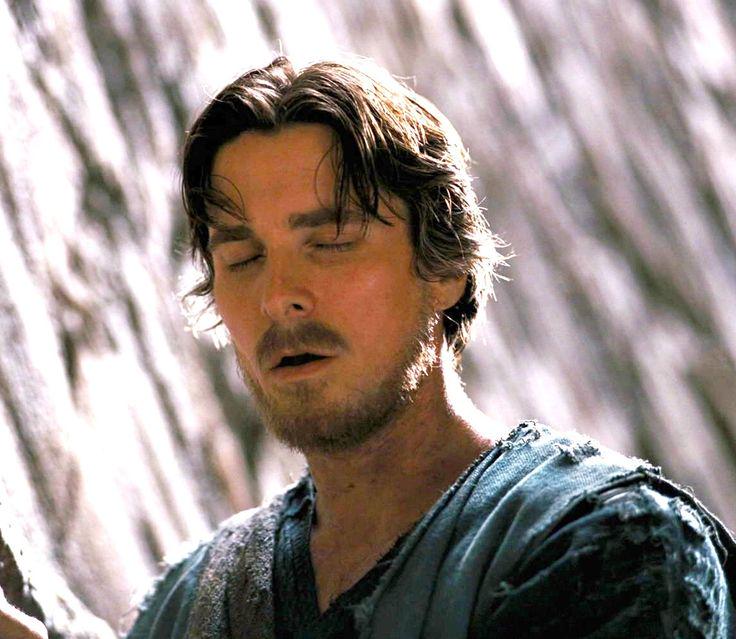
As someone with depression all my life, this movie reaches me at so many levels. The whole arc is about ascension from hopelessness. Didn't solve my problem or anything, but is one of those movies that hits me so hard, even in rewatches. Especially when Bruce chooses to make a leap of faith.

There are so many other spiritual motifs that I don't ever see mentioned in any analysis. Like how the neutron bomb is the seed of destruction but ends up erected as a symbol of life, a tree made out of smoke, standing over the dawning horizon.

I don't know if I am being pretentious. Just something I wanted to share.