r/AutisticPeeps • • 9d ago

General Based on the polls, I have disabled the ability to do crossover posts

41 Upvotes

r/AutisticPeeps • • 18d ago

Question Should we disable crossover posts?

11 Upvotes

We keep seeing people spamming these kinds of posts


r/AutisticPeeps • • 6h ago

Media I Thought I Was Autistic. I Was Wrong.

Thumbnail
thefp.com
12 Upvotes

this is an article by a woman who was misdiagnosed with autism because of the female autism framework. what are your thoughts on this?

In 2019, I was 30 years old, living in Los Angeles, sharing an apartment with my two cats, and working remotely as an artist. Most of the people my age I knew at the time were setting down roots: getting married, building families. Meanwhile, I spent almost all my time alone, surrounded by plants, animals, and murals. I had no desire for anything else. I enjoyed having a space where I could keep the world, and other people, at a manageable distance.
This had been the case for most of my life. From childhood on, I struggled to make friends, which took a toll on my self-worth. By adolescence, my mental health had deteriorated, and I spent close to a year cycling through multiple psychiatric hospitalizations, outpatient programs, and group homes for depression and self-harm. At age 15, I was groomed online by a much older man, culminating in a traumatic sexual assault. Immediately afterward I tried to end my life, then spent a year in a youth residential treatment center in Utah.
I never had a good explanation for why so much in my life had gone wrong. But the residual effects of this turmoil followed me into adulthood, making it easier to retreat into a kind of comforting solitude.
Then, as an adult, seemingly out of the blue I began encountering stories along a similar theme: women discovering, later in life, that they were autistic. With titles like “The Invisible Women with Autism” or “What My Adult Autism Diagnosis Finally Explained,” these stories told of women who spent years feeling different, misunderstood, and chronically overwhelmed, before experiencing the relief of finally having an explanation.
They also proposed a newer understanding of autism, citing a growing body of research about a “female autism phenotype.” Autism, the research explained, had long been defined using symptoms that show up frequently in males—and are usually very overt behavioral, linguistic, or social difficulties. Autistic girls, by contrast, are more likely to turn their struggles inward, presenting as merely quiet and anxious. As they grow into adolescence, the thinking goes, they are frequently treated not for their underlying autism—which went unrecognized—but for the mental-health problems they developed as a result.
This understanding has spread over the last decade, leading autism diagnoses to rise sharply each year, with some of the largest increases among young adult women. Autism experts have long framed this rise as the uncovering of a “lost generation” that has been there all along. But skepticism is now beginning to emerge. Last month, Uta Frith, one of the pioneers of autism research, warned that the autism spectrum has become so broad that it risks losing clinical meaning altogether.

But I didn’t know any of this back in 2019. The female autism framework was the first explanation I had ever encountered that united the crises of my youth with the realities of my adulthood. And once I began reviewing my life through that lens, I started to see signs everywhere.
The social difficulties I experienced since childhood now looked like an innate communication deficit. My monotonous voice, flat emotional expression, lack of eye contact, and failure to respond to humor—all of which were noted in psychological testing I endured as a teenager—seemed to confirm it. My all-consuming fixations on things like sharks and parasites became autistic special interests. My habit of overcomplicating basic tasks became executive dysfunction, my clumsiness a gross motor impairment, and my fidgeting “stimming.” Even my food intolerances and obsessive-compulsive tendencies seemed to fit the pattern.
But the clearest sign was in my daily war against bright lights and loud noises, which finally seemed to have a real name: sensory processing sensitivity. Suddenly, every aspect of my life, every little inadequacy or abnormality that had once tormented me, had a medical explanation.

Within a few weeks after encountering this research, I went to a psychiatrist for an evaluation. The assessment lasted about an hour and involved a long series of questions about my interests and experiences that seemed thorough and careful. When I finally received a formal autism diagnosis, I felt immense relief. The diagnosis quickly became the most important part of my identity. It also gave me a sense of purpose: I decided I wanted to help other girls be diagnosed earlier and avoid going through what I had as a teenager.
I joined the online autism community on Instagram, a loose network of accounts that created content about the condition, where I found other women with stories very similar to mine. Using the hashtag #ActuallyAutistic, hundreds of users claimed that their “lived experience” gives them not only the exclusive authority to define autism but also the right to self-diagnose. Their posts revolved around neurodiversity, framing autism not as a disorder but as a natural variation in human experience. As progressive activist Blair Imani put it in one popular Instagram post, “Autism is a natural part of human diversity. Autism is not a disease to be cured.” At first, I saw this interpretation as a positive. But the more I learned about that framework, and the deeper I sank into its world, the more uneasy I became.
Neurodiversity is rooted in an academic framework that recasts autism as a minority identity whose only true impairments are the barriers created by a “neurotypical” world. Followers of the movement reject the idea that autism causes any sort of “deficit.” The problem, activists insist, is not autism itself, but a society unwilling to accommodate autistic people.
But for a community organized around social impairment, they maintained an astonishing number of social rules. Certain language and beliefs were treated as harmful, and activists policed them aggressively. Terms like high-functioning, low-functioning, severe, and profoundwere condemned as “ableist.” Again and again, I watched popular accounts direct their thousands of followers to comment sections so they could scold people for using the wrong language or expressing the wrong views about autism.
Activists reserved particular contempt for anyone who upheld the medical understanding of autism spectrum disorder, targeting organizations, researchers, and universities that treated autism as a disorder and supported work on its causes, treatment, or cure. They compared that work to eugenics and tried to shut it down through petitions, harassment, and public pressure. Too often, they succeeded.

In practice, of course, this put highly verbal adults with relatively mild difficulties in the position of speaking for people with profound disabilities who cannot speak for themselves. But that didn’t stop the activists. In fact, their most visible hostility was directed at parents of severely impaired children who spoke honestly about their children’s lives. Activists castigated these parents for supporting Applied Behavior Analysis (ABA), an autism therapy designed to reinforce more “normal” behaviors—for example, helping autistic children develop language skills or memory—and reduce harmful ones. According to them, ABA is abusive because it suppresses children’s authentic selves.
My personal experience indicated differently. In my 20s, while putting myself through college, I worked as a special-needs caregiver for severely impaired youth, including children with autism. There were times when children needed to be restrained to prevent them from hurting themselves or others. It very quickly became clear to me how little some of the most virulent activists on social media understood about the level of disability they were talking about.
But when I defended parents of autistic children from activists’ accusations, I was met with hostility myself. I faced even more pushback shortly afterward, when I began referring to myself with the term Asperger, commonly understood as a less severe version of autism characterized by similar but milder forms of social and communications challenges. It felt important to distinguish between people with severe impairments and people like me.

The response was fierce. Activists rejected the idea that there was any sort of hierarchy in the autism spectrum. Some even called me a Nazi because of the history of Asperger’s namesake. After about a year in that community, I began to pull away. I unfollowed many of the accounts and turned to other interests and online communities.
Even then, I still believed I was on the spectrum. I wasn’t ready to let go of the medical framework that explained the isolation I’d felt all my life.

Then, my life changed. In 2022, after working for several years as an artist, I became a journalist. The career shift was spurred by my discovering the stories of detransitioners: mainly young women who had once identified as transgenderand now no longer did, and whose experiences were largely ignored by mainstream media. I could relate to them; many of them, like me, had struggled deeply as teenagers and searched for a label that seemed to explain their suffering. As I learned more about their experiences, I was forced to think more critically about how activism and media shape cultural narratives around identity and diagnosis, and how perverse social incentives can lock those narratives into place.
It became harder and harder not to apply that same level of scrutiny to my own autism diagnosis.
I soon began taking on stories that required heavy reporting. As I spoke with sources, built rapport, asked sensitive questions, and earned their trust, I realized something that should have been obvious much earlier: I do not have a social communication deficit. Not only was I competent at socializing, I was goodat it, and I improved the more I did it.
Which forced me to ask: What else could have explained my social discomfort? In retrospect, the answer was more ordinary than I wanted it to be. I was a sensitive, introverted child who felt social mistakes intensely. Instead of responding to them by becoming more resilient, I chose to retreat into my interests, because they felt safer than people. Over time, that withdrawal hardened into a pattern.

In other words, what looked like an innate communication deficit was, in large part, the result of inexperience. Socializing is a skill that develops through practice; I simply hadn’t practiced it.
My diagnosis unraveled further once I started questioning the other traits I had come to see as autistic. Introversion, high sensory sensitivity, intense interests, and social camouflaging are not exclusively the features of an autist; they are widely distributed across the general population. But using the female autism framework, I came to see them as a meaningful pattern.
This framework became so influential in large part because it offers a compelling explanation for why girls were historically diagnosed with autism at lower rates than boys. It is the kind of narrative the press finds irresistible: a scientific correction to a historical wrongagainst women. Over the course of about a decade, it has become a powerful cultural script through which more and more women have begun to reinterpret their own lives.
This happened very swiftly, partially because an autism diagnosis is not especially difficult to obtain. The process, which has no objective medical test and relies primarily on self-reported traits interpreted by individual clinicians, leaves enormous room for confirmation bias and error. My own evaluation did not consider alternative explanations for my experiences, only that they had been present since childhood.

And the thing is: I didn’t ask for any other explanations. The appeal of an autism diagnosis is not mysterious. While some other psychiatric labels carry stigma, autism invites sympathy. By framing behavior as the product of a lifelong neurodevelopmental condition present from birth, the diagnosis suggests that a person’s actions are outside their control. While this may be true for people with a profound disability, for those without severe intellectual impairment it can provide an external locus of control: the sense that one’s life is governed by irrepressible forces. In some cases, that can also discourage the belief that change is possible or desirable.
In other words, it offers relief from the weight of responsibility for your perceived flaws and failures. My diagnosis gave me coherence. It brought order to what had been a painful and confusing history, and it presented me with a reason to stop expecting more of myself. I found that appeal impossible to resist.
But life is more complicated than that. My struggles were less a product of biological certainty and more a messy overlap of environment, temperament, and choice. I have had to learn to be comfortable with that ambiguity.
I no longer think I am autistic, nor that I ever was. I just took a little bit longer to find myself, and took some wrong turns along the way. And I still struggle: After staying guarded and isolated for so long, I face an ongoing battle to let people in. But I’m doing it. And my self-worth is now rooted not in a diagnosis but in my personal and professional accomplishments, which expand each day.
What happened to me is not interesting because it is unusual. It is interesting because I suspect it is increasingly typical. Research shows that more and more people, especially young women, are over-identifying with psychiatric diagnoses, desperate for some sort of label to explain their struggles or abnormalities. This has consequences. Once challenges are understood as symptoms of a permanent condition, it becomes harder to imagine that they might be worked through, adapted to, or overcome.
Losing the autism label allowed me to regain something more valuable than certainty: agency. My difficulties did not disappear, but they no longer defined the limits of who I could become. There is comfort in a story that shifts responsibility away from the self. Sometimes that comfort is almost irresistible. But in the end, it is better to believe in the possibility of change than to embrace a narrative that says you never had a choice at all.


r/AutisticPeeps • • 4h ago

All my hyperfixations throughout the years

3 Upvotes

Chronological order:

Dinosaurs (autism classic)

Miniature metal trains...(Another autism classic)

Bush crafting

Stone age

Space

Forest life

Medieval history and weapons

Wood making

Guitar

Coding

Cybersec and offensive sec

Cybersec vuln hunting

World war 2 history and weapons

World war 1 history and weapons


r/AutisticPeeps • • 14h ago

Rant As someone who only can make friends with autistic people: I DON'T want a world where the majority of the population is autistic.

18 Upvotes

I'm saying this as someone who can't make neurotypical friends and every time they see an autistic person tries to make friends with them, I DON'T think that the world would be better if everyone was autistic like some people say.

Especially considering the symptoms that aren't social like executive dysfunction or hypo/hypersensitivity, how would a civilization work with so many people who can't work or feel overstimulated by the light of sun?

But even if we only talk about social symptoms, a lot of people with autism have severe social difficulties or are extremely asocial, who would be in positions of power then?


r/AutisticPeeps • • 13h ago

News I support Sweden for this

Thumbnail
tiktok.com
12 Upvotes

r/AutisticPeeps • • 13h ago

Meme/Humor This is brutal

Thumbnail
tiktok.com
8 Upvotes

r/AutisticPeeps • • 1d ago

Autism in Media How long do you think till the influencers stop pretending to be autistic

44 Upvotes

I know I can pretty much immediately tell when someone else is autistic, and I know right now the meta in media is to be diagnosed so I constantly see people faking it then saying something about lack of resources (while they have a trust fund) - my question is, when is the swing back. Feel like we saw this before with the like mad pixie dream girl meta in the late 2000s. Maybe a year left of it?


r/AutisticPeeps • • 1d ago

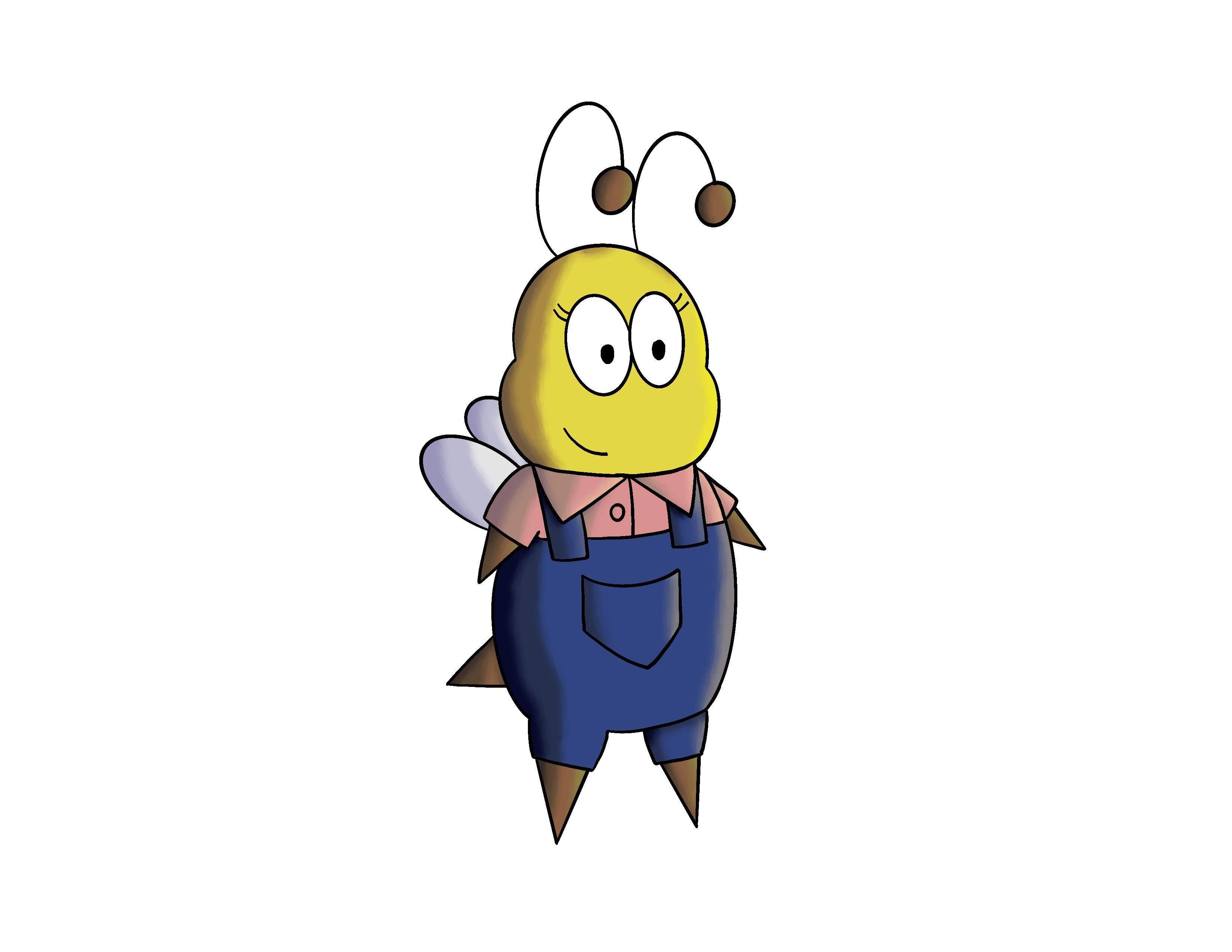
Art The final design of Honey the Bee

Post image
38 Upvotes

r/AutisticPeeps • • 1d ago

Meme/Humor I just have to post it

Post image
17 Upvotes

r/AutisticPeeps • • 1d ago

Meltdown

12 Upvotes

Meltdown autistic adult. Warning talk of assault.

I was in a bad meltdown yesterday. Luckily during it my support worker ran away from me. I approached her (ran up to her) had thoughts of hitting and punching her in my meltdown luckily did not hit or punched her she luckily ran away in time but if she did not I think I would of hitten or punched her. I also threw rocks inside the disability building that I went inside locked doors repeatedly and yelled at all the staff members that would talk to me and the ones that would unlock the doors even swore at them. It got to even the point they called my emergency contact ( my mother) up. Now today is a new day and I am reflecting badly about it all feel quite upset how I was yesterday.They kept telling me I could stay in the room I was in but not to lock or shut the door. But I felt I needed to lock the door and to be alone in this state away from everybody and for no one to be around near the door etc. They even opened up the other part of the building's door because I was sitting on the ground behind the other door and refusing to move away from behind the door so then they stayed in that area where the glass door was outside and even put the blinds up so they could see what was happening inside while I was in there. I felt like it was a huge privacy issue at the time and get why they did it but felt overwhelmed and wanted privacy at the time in this state.


r/AutisticPeeps • • 1d ago

Meme/Humor MEME - Spanish version of Unmasking autism book avaliable in chilean stores

6 Upvotes

Hace unos días fui a una librería. Encontré ese libro...

also
*available


r/AutisticPeeps • • 2d ago

Meme/Humor Not to mention that I, the creator, am a woman

Post image
115 Upvotes

r/AutisticPeeps • • 1d ago

Special Interest Hi guys!

21 Upvotes

I just wanna know what are some of your guys special interests? I'd love to hear them, especially if I see a special interest I have.

I hope u have a really good day!!


r/AutisticPeeps • • 21h ago

Discussion Should we just completely surrender "autism" as term to neurodiversity at this point?

0 Upvotes

As neurodiversity continues to persist as the modern lens through which autism is viewed, much of which through the disability denialist/"just a difference" perspective amplified by social media and general modern autism discourse, should we just let neurodiversity activists have "autism" as their term at this point?

Think about it: it's not like "autism" has always referred to the disability it's now supposed to refer to. Eugen Bleuler would've been extremely confused today to see how a rigid need for routine and predictability and sensory difficulties would constitute a symptom of schizophrenia. Plus, "anxiety" and "depression" are also supposed to be medical terms, but that hasn't stopped them from being demedicalised in everyday speech and their meanings being completely watered down. That's exactly what's happened with "autism" in modern neurodiversity-influenced discourse.

That is of course not to say though that the "autism spectrum disorder" now outlined in the DSM and ICD should be surrendered to neurodiversity, and not just because of how many activists don't want it in the first place because god forbid it includes "disorder" in the name. It will simply have to be renamed itself. My main candidate for a new name is readopting the original pervasive developmental disorder (PDD) term from the DSM-IV, but any other term could work as well as long it includes "disorder" in the name.

It's certainly not ideal, but at this point I'm getting closer and closer to thinking "screw it". "Autism" can become a neurodiversity word, and those who are actually disabled by their autism can say they have PDD instead. Obviously though this is a very heated topic and it's 100% understandable to not want to let modern neurodiversity activists completely appropriate "autism" as a term despite how much progress they've made.

So what do you think?


r/AutisticPeeps • • 2d ago

Rant At the bare minimum

27 Upvotes

Even if you don’t believe there should be a cure for autism at the very least we should research cures or treatments for things that make autism inherently disabling one hyper sensitivity to light or noise. I feel like even the most diehard pro-neurodiversity person would want to at least be free from being overwhelmed by overstimulation.

There’s a lot more I want to say in this subreddit about “curing autism” and neurodiversity but I feel like it can wait


r/AutisticPeeps • • 2d ago

Meme/Humor It’s like they think the world revolves around them

Post image
42 Upvotes

r/AutisticPeeps • • 2d ago

Thanksgiving is hard when you're autistic

12 Upvotes

Just sucks when you just get so over stimulated that you need to take a break instead of hanging out with your family. At least the turkey was good.


r/AutisticPeeps • • 2d ago

Art C is the winner! Now, which color palette do you like the most?

Post image
8 Upvotes

r/AutisticPeeps • • 2d ago

Social Skills people assuming i am not okay, even when i am enjoying myself

19 Upvotes

people always ask if i am okay or imply that i am not okay. once my friend apologized to me at the end of her birthday party and asked if i still had fun. it was so confusing because i really enjoyed it and i can’t pinpoint what made her think that i hadn’t. today a teacher asked multiple times if i was okay, i just kept saying yes.

i know my emotions don’t always translate correctly to my facial expressions or body language but that’s so frustrating because i don’t wanna be seen as a grumpy and difficult person. do you experience that as well?


r/AutisticPeeps • • 2d ago

Self-diagnosis is not valid. Y'all remember when autism actually had a diagnostic criteria...?

21 Upvotes

DSM-4:

• A person needed AT LEAST 6 of 12 symptoms

• Abnormal development history before age 3

• Multiple diagnoses (Asperger's, PDD, Rett Syndrome)

I remember a point in time where we were actually getting quite close to understanding autism quite well, it's been researched to be attributed to a larger brain size. Then I remember it coming to a halt as the neurodiversity movement and DSM 5 became popular.

And then despite everything people still self diagnose, moving us further and further away from understanding ourselves.

Self-diagnosis is ableist, not anti self-diagnosis. Self-diagnosis takes away real autistic people's opportunity to understand themselves better.

Edit and random rant/vent: I really hate how people think autism is just being "quirky" as a means to get brownie points and virtue signal. I blame the neurodiversity movement for this. It feels similar to cultural appropriation to me (Yes I can make that comparison, I am POC). People want something quirky but then not the horrible sides that come along with it...

Edit: In case you're not sure how self-diagnosis and this correlate, I'm saying that with the neurodiversity movement the diagnoses was broadened to make more people fit into autism category and I'm not saying late diagnosed autism is invalid. If anything I feel really sorry because now you're stuck in a territory of being lumped in with other people who most likely begged their doctor for a diagnosis (Yes I've seen this happen irl where someone begged their psychologist for a diagnosis and the psychologist gave it to them just like that to personally profit when multiple other psychologist found that person to not have autism, ew.)

Final Edit: I saw people saying that one of the sources I cited was republican. I removed it now. I apologise since I was under the impression it was reliable as a friend who is normally reliable sent it to me.


r/AutisticPeeps • • 2d ago

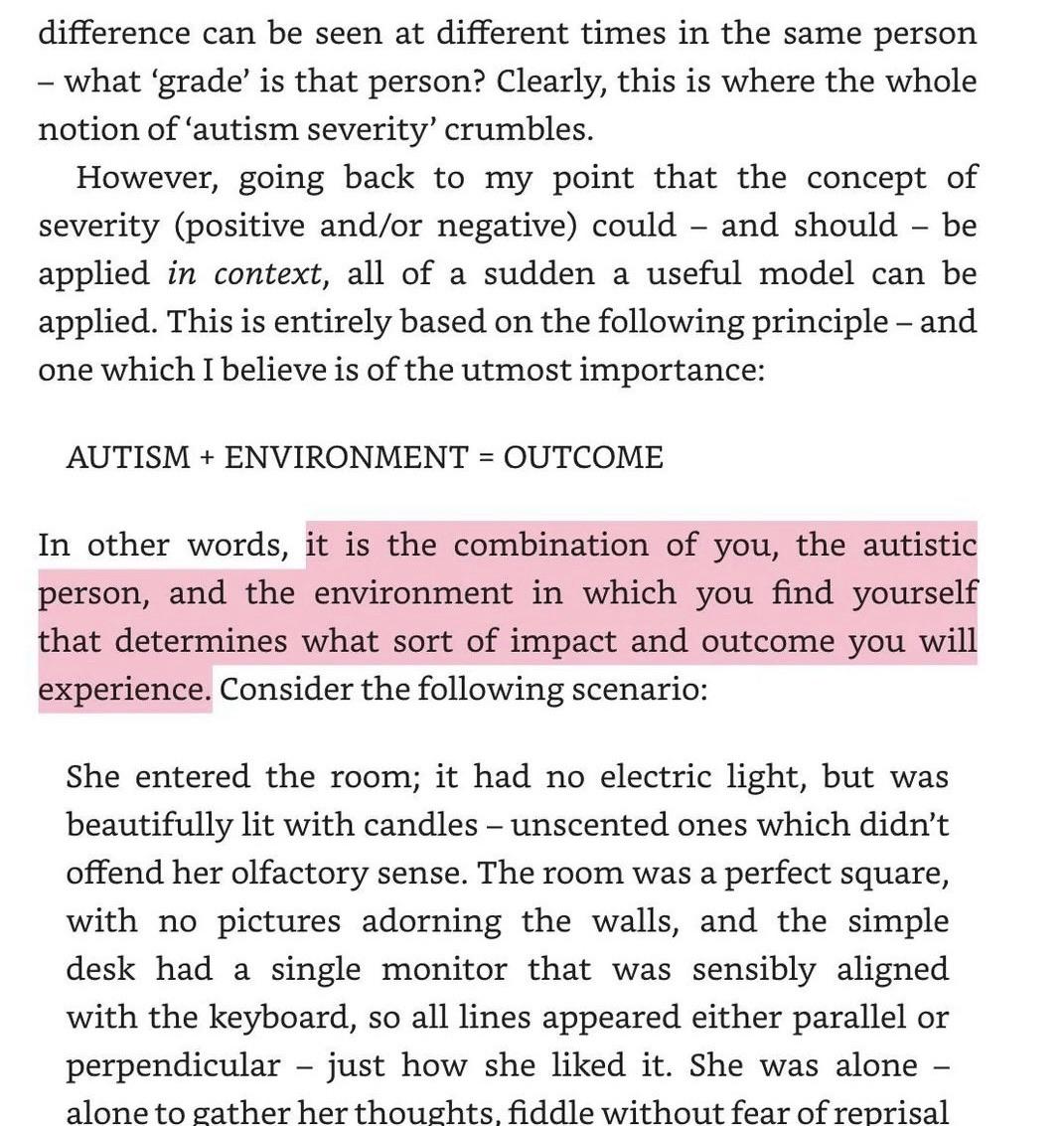
Discussion Dr Luke Beardon, says its not a disorder/disability with different severity but a result of society and environment. Has anyone watched their YT videos, opinions?

Post image
0 Upvotes

i dont understand guys like this and they say he has been in the field for decades but he has no qualification in psychology, psychiatry, neurology or special education or social work like nothing relevant to autism, he isnt even a medical doctor. I think he just studied English literature, huh??

Environment etc has an effect yeah but its not that simple, he also rejects autistic symptoms. Do you even think autism is a thing then? I don’t get it.


r/AutisticPeeps • • 2d ago

Do you ever experience something where you're reacting to something but people don't recognize your reactions at all?

9 Upvotes

Like when someone greets you and you smile but the other person thinks you're ignoring them.

Or when they talk to you and you pay attention and listen, maybe laugh, or acknowledge the news or the joke or something but they think you're just staring or that you just don't care.

Or when someone asks you a question and to you it's just a normal amount of time before you answer but they think you're just staring at them, or that you're taking too long, making it awkward for the other person even though it's just normal for you.

Basically, the other person does not register your responses even though, to your knowledge, you are being responsive.

I'm not sure if I'm explaining it right, but yeah, I hope you get it.


r/AutisticPeeps • • 2d ago

Discussion Non-autistic people get it wrong too

19 Upvotes

I think that there's a misconception these days that, if you have any sort of social communication issue, it has to be from some kind of disorder that causes it. Or on the other hand, if you have no perceived problems with social communication, you couldn't possibly have any disabilities related to it.

In my opinion, this is where the pitfalls of self reporting come in.

There is too much emphasis being put on someone's self awareness of their own problems. People are flawed and easily swayed. A negative perception of oneself will skew any self assessment, as would a disproportionately positive perception (though the latter is definitely more praised in modern society, both can be harmful).

Take the stereotype of the worker who is constantly smiling and joking with his coworkers, mocking them inadvertently. Obviously, he is actively ignoring the wants and needs of the people around him. Perhaps from ignorance, or simply because he doesn't care. If it is the first option, in his mind, he is popular, and people enjoy his company because no one has said otherwise. Under the current system of adult autism diagnosis (to save on expense, many clinicians often rely heavily on self reported traits), he would likely walk without a diagnosis. And because polite society often does not call out this behavior, he would likely falsely believe in his social abilities until something or someone tells him otherwise.

On the other hand, someone who is prone to anxiety and belittling their own capabilities (but is actually quite good as socializing outside of their anxiety) may be more inclined to align themselves with some kind of social communication disorder. This is what we see nowadays, where youths who feel awkward are more inclined to align themselves with disabilities like ASD or ADHD, rather than believing it is simply the growing pains and awkwardness of adolescence.

All I'm trying to say is, even your own perceptions of your ability to socialize, to 'mask', to suppress certain behaviors may not be as all encompassing as one may believe. There doesn't have to be a reason for it, especially since so many factors can affect this aspect of ones life. There is no way compiling a list of 'traits' can knock out every variable. And if many people around one are saying the same thing about them, it might be worthwhile to at least consider the possibility of it being true.


r/AutisticPeeps • • 3d ago

Controversial Masking shouldn’t be seen as a generalizable trait of autism.

28 Upvotes

Here’s a paper explaining it.

https://pmc.ncbi.nlm.nih.gov/articles/PMC13087159/

To provide a brief summary:

In a meta analysis of 389 separate studies, it was found that… research varies widely in which terms it uses to explain the phenomenon and how they are defined/ employed; camouflaging concepts frequently overlap with non-autism-specific behaviors and traits, including social anxiety, self-presentation, concealment, social learning, and self-monitoring; the CAT-Q lacks the proper validity and specificity to identify autism-specific social phenomena, being heavily confounded by factors such as social anxiety as well other standard behaviors (inconsistent with cross-cultural factor replication as well); that comparing observer ratings against self-reports as a proxy for camouflaging is questionable due to insufficient grounding in established methodology; and last but not least that almost all the research on masking heavily over-represents adult-diagnosed women with self-indicated impairments—making broad generalizations across the entire autistic population unjustified for the time being.