r/MorbidHistory • • 3d ago

Anne Boleyn's Tower letter – authentic or a 17th century fake?

Thumbnail youtube.com
0 Upvotes

One of Anne Boleyn's most well recognised quotes; "Try me, good king, but let me have a lawful trial", comes from a letter which was written in the Tower of London on 6 th May 1536.

Unfortunately there is no original version. It has been discovered within Thomas Cromwell's papers following his execution in 1540. Further analysis of the paper has suggested that it dates from the early 1600s – several decades after Anne's death. However, people have highlighted that paper dating can be unreliable and it was even printed by 1649.

Considering both the content of the letter – which some find surprisingly confident and eloquent for someone about to be tried for treachery, fornication and incest – and also the paper evidence, is it your view that this is an authentic document or one that has been altered or constructed at a later date?


r/MorbidHistory • • 9d ago

Written at 4:30am, this final letter was confiscated, hidden and allegedly found under Robespierre’s bed.

Thumbnail youtube.com
0 Upvotes

Requesting paper, ink and a candle, Marie Antoinette wrote her final letter to her sister-in-law Madame Élisabeth.

Though written at the moment of her impending death, this letter does not contain anger or revenge. In this letter, she asks her young son not to take revenge for his parent’s deaths. She also pardons her son for using perjured evidence against her during her trial and places her children under the care of Madame Élisabeth.

This letter was not sent to Madame Élisabeth. She herself was executed 7 months later, so was unaware of this letter. It disappeared in Revolutionary records, but was apparently recovered by Edme-Bonaventure Courtois (a deputy) after Robespierre fell from power. Courtois claimed to find it hidden within Robespierre’s mattress. However, it wasn’t publicly known until 1816 (23 years after the Queen’s death).

I made a short documentary on the events surrounding this letter, what was contained within it and how it survived to be in the French National Archives. If you would like to see it, you can do so.


r/MorbidHistory • • 20d ago

The remarkable independence of Jane Ezzy | 1770 - 1821

Thumbnail gallery
16 Upvotes

r/MorbidHistory • • 25d ago

The dark history of carnivals, from embalmed outlaws on tour to a carnival that ended in a massacre

Thumbnail youtube.com
23 Upvotes

r/MorbidHistory • • 28d ago

In 1958 a two Year old was Pulled into the Lion Cage at the Smithsonian National Zoological Park.

Post image
375 Upvotes

r/MorbidHistory • • 29d ago

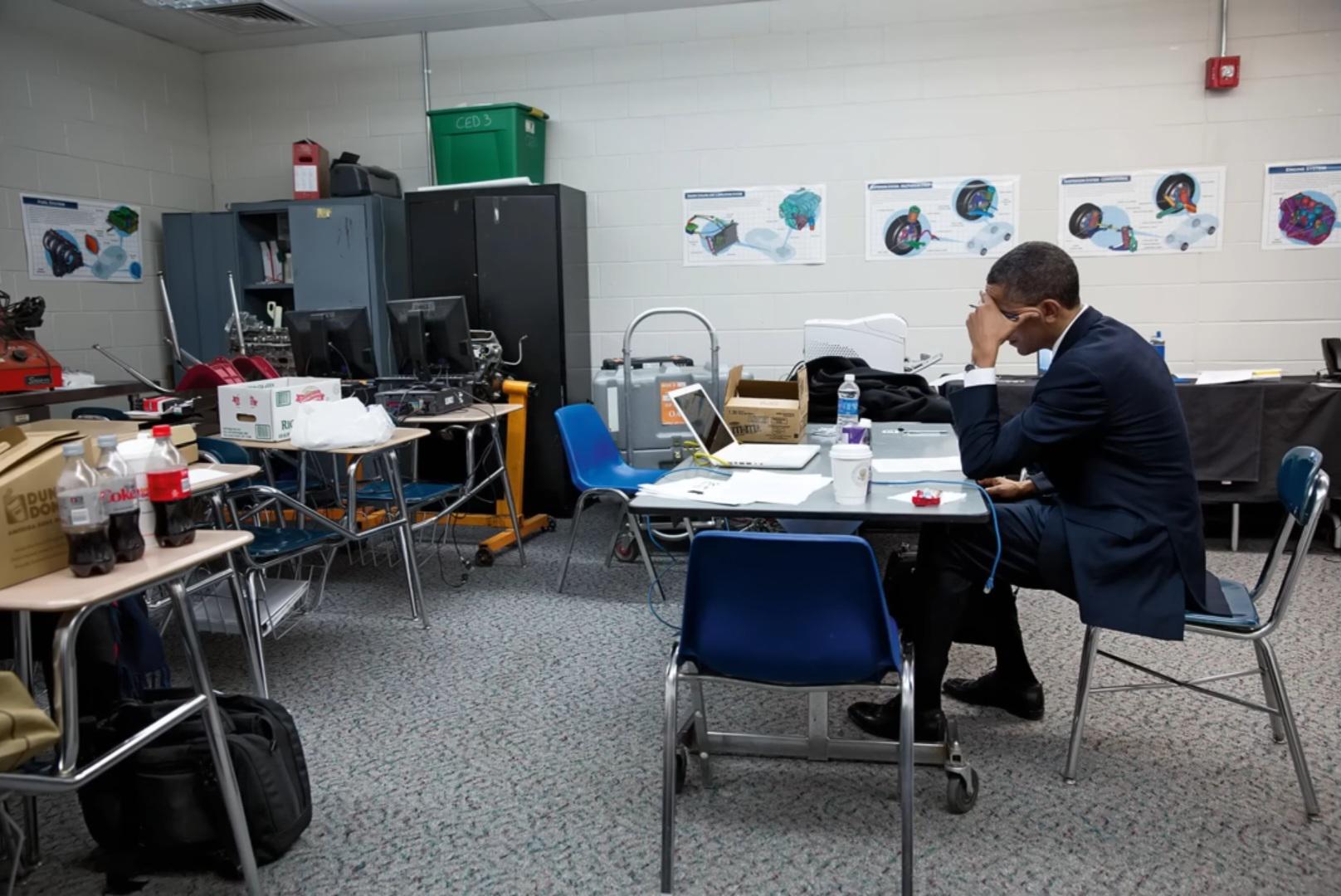
Former US President Barack Obama writing his speech after the Sandy Hook elementary school shooting 2012

Post image
227 Upvotes

The Sandy Hook Elementary School shooting was a mass shooting and murder–suicide that occurred on December 14, 2012, at an elementary school in Newtown, Connecticut, in which 20-year-old Adam Lanza killed 26 people—20 first-grade children and six staff members—before killing himself. Lanza had earlier fatally shot his mother at their home before driving to the school, where he forced entry by shooting out a window near the locked front entrance. He was armed with a semi-automatic rifle and two handguns and killed the victims within about five minutes, before shooting himself as police arrived. It is the deadliest mass shooting at a K–12 school in U.S. history and the fourth-deadliest mass shooting by a single perpetrator in the nation.

https://en.wikipedia.org/wiki/Sandy_Hook_Elementary_School_shooting


r/MorbidHistory • • Oct 23 '26

19 year old college student Diana Vicari was the victim of a dismemberment murder in October 1992. Despite many known suspects, the rest of her remains were never located and her case remains unsolved.

Thumbnail gallery
11 Upvotes

r/MorbidHistory • • Oct 21 '26

A tragic rifle accident that resulted in the death of 12-year-old Charles Stamford Freeman on New Years Day in 1930

Thumbnail gallery
11 Upvotes

r/MorbidHistory • • Oct 19 '26

The Savage Revolution - CRVENI TEROR

Thumbnail youtu.be
3 Upvotes

The end of WWII in Serbia and the revolutionary terror by the Communist Party which came with it.


r/MorbidHistory • • Oct 19 '26

France declared the Beast of Gévaudan dead in 1765. It kept killing for two more years.

Thumbnail youtu.be
4 Upvotes

Between 1764 and 1767, something killed around a hundred people in the Gévaudan, in south-central France. Most were children out herding cattle. The first known victim, Jeanne Boulet, was about 14.

The army sent dragoons, then the king's wolf hunters, then his own gun-bearer, François Antoine. In September 1765 Antoine shot a big wolf near the abbey of Les Chazes. It was stuffed and shown at Versailles, and the king declared victory.

Then the attacks started again near Mont Mouchet. The court mostly looked away. They only stopped after Jean Chastel shot another animal in June 1767.

Most historians today (Jay M. Smith, Monsters of the Gévaudan; Jean-Marc Moriceau, La Bête du Gévaudan) land on wolves, more than one, plus newspapers that built a monster out of them.

I made the video. The visuals are AI reconstructions; the research and script are mine, sources are in the description.


r/MorbidHistory • • Oct 18 '26

Daphne Olive Earl | A Fatal Crash into Mullet Creek

Thumbnail gallery
6 Upvotes

r/MorbidHistory • • Oct 18 '26

Daphne Olive Earl | A Fatal Crash into Mullet Creek

Thumbnail gallery
4 Upvotes

r/MorbidHistory • • Oct 15 '26

Podcast explores France's historical obsession with death and public spectacle

11 Upvotes

The Wonderkamer is a podcast about curiousity with three rotating hosts deep-diving their current hyperfixations. Dilettante Jen's Halloween episodes cover morbid French history, and in particular their obsession with the most gruesome public spectacles imaginable. The Wonderkamer can be found on any major podcasting platform and YouTube.


r/MorbidHistory • • Oct 13 '26

The Shaw Family | Two Children, Two Tragedies, Sixteen Months Apart

Thumbnail gallery
14 Upvotes

r/MorbidHistory • • Oct 13 '26

The Unsolved Disappearance of Juanita Nielsen

Thumbnail gallery
11 Upvotes

r/MorbidHistory • • Oct 11 '26

Anne Selmes | Impaled by Scissors

Thumbnail gallery
20 Upvotes

r/MorbidHistory • • Oct 05 '26

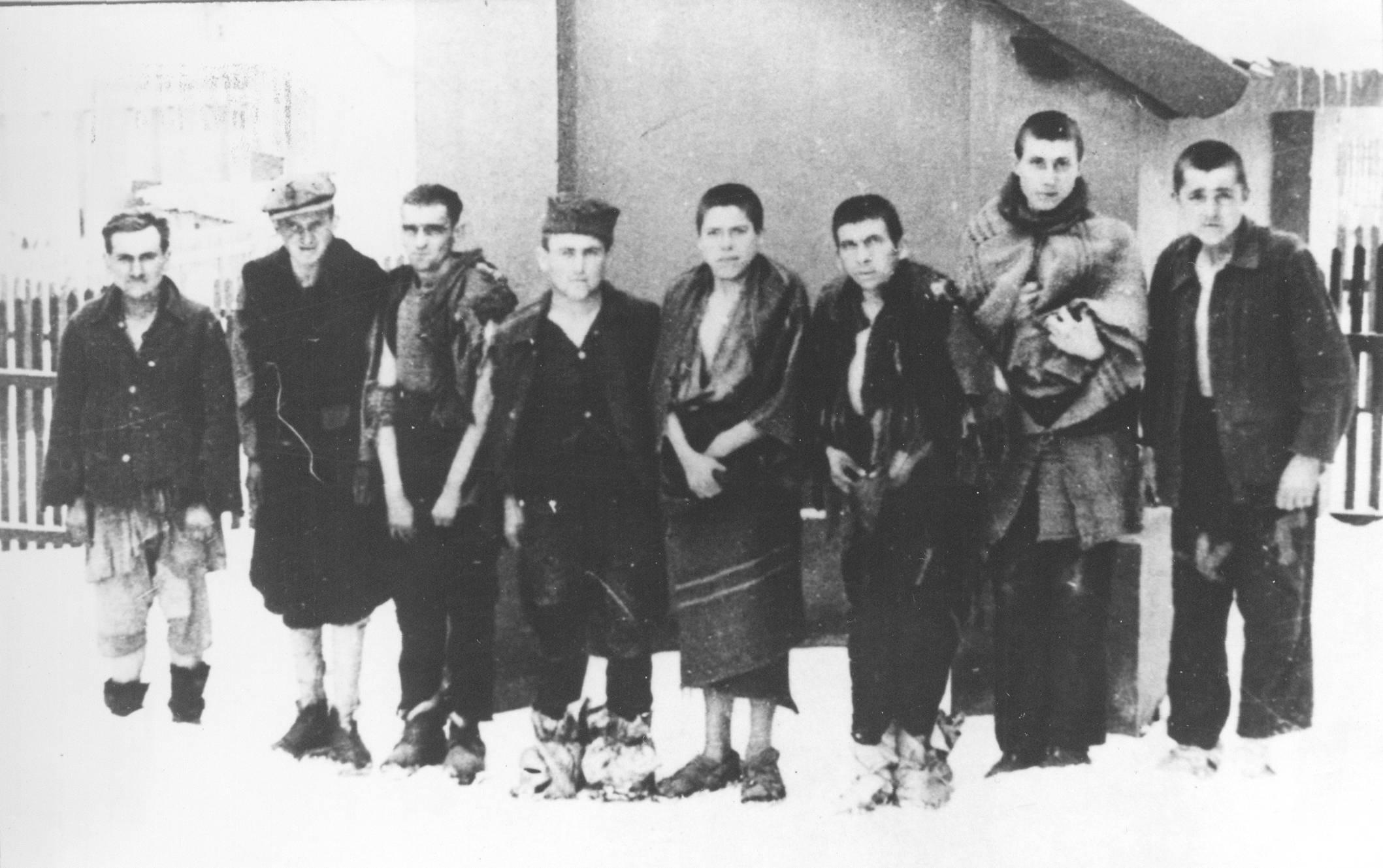
Forced labourers in the Bor mines, Serbia 1942

Post image
19 Upvotes

A group of Serbs - political prisoners exiled to Bor mines for forced labour. 15.02.1942.

Inventory number 15205

Courtesy of Museum of Yugoslavia.


r/MorbidHistory • • Oct 02 '26

A body lies amid the ruins in the aftermath of the devastating 1900 Galveston Hurricane, the deadliest natural disaster in U.S. history.

Post image
62 Upvotes

Prior to 1900, Galveston, Texas, was the economic heartbeat of the state. Its population of around 37,000 and its bustling port brought enormous wealth, while the city served as a major entry point for immigrants heading into the American Southwest, earning it the nickname “Ellis Island of the West.”

The problem was that Galveston was a barrier island, made mostly of sand, gravel, and mud, meaning it was incredibly unstable and vulnerable to wind and water. Its nearby rival, the port of Indianola, was similarly situated on a barrier island and had been effectively abandoned after a massive hurricane devastated it in 1886.

That disaster prompted calls in Galveston for a seawall to protect the city from storm surge. The proposals were heard, discussed, and ultimately ignored. Worse, naturally occurring sand dunes along the shore were lowered to reclaim land and improve visibility and access to the ocean.

In late August 1900, a tropical wave moved westward across the Atlantic. Over the next several days, it passed through the Caribbean, making landfall in the Dominican Republic and Cuba and causing little concern as a relatively weak tropical storm before entering the Straits of Florida on September 5th.

The U.S. Weather Bureau, ignoring predictions from Cuban meteorologists, believed the storm would recurve over Florida and then move up the East Coast, as many tropical systems did.
Instead, an area of high pressure over the Florida Keys pushed it northwestward across the Gulf of Mexico.

On September 6th, the ship Louisiana encountered the storm in the Gulf and reported winds of 100 miles per hour.

By the following day, it had become a Category 4 hurricane, with sustained winds estimated at 145 miles per hour. In Galveston, meanwhile, there was little indication of what was coming.

On September 8th, the hurricane made a direct landfall over Galveston. Sustained winds after landfall were estimated at around 120 miles per hour, though the true speed may have been even higher. Survivors reported seeing bricks, slate, timbers, and other heavy objects hurled through the air.

Few streets escaped wind damage. None escaped the water. The storm surge poured across Galveston while the winds tore apart roofs and walls. Electrical, telegraph, and telephone wires were ripped down. Buildings, many poorly founded in the island's loose sand, were lifted from their foundations and slammed into one another.

The highest point above sea level on Galveston was only 8.7 feet. The hurricane brought a storm surge of more than 15 feet, inundating the entire island by the early morning hours. The storm also dropped nine inches of rain on September 8th, the most recorded in any 24-hour period in the city's history.

Hundreds of people were swept away, crashing into houses and debris before drowning. Some were crushed beneath collapsing roofs, walls, and buildings. Many more were trapped beneath the wreckage, in darkness and unable to free themselves.

Around 1,900 acres of Galveston, particularly in the western, southern, and eastern portions of the city, suffered almost complete destruction. The New York Times, reporting in the immediate aftermath, ran a headline that simply read:

“Galveston May Be Wiped Out.”

For miles, the smell of decomposition hung over the island. The dead were everywhere, many buried beneath the wreckage of the homes where they had lived.

A survey conducted in early 1901 recorded 8,124 deaths. The Texas State Historical Association has given a historical estimate of approximately 12,000, while other modern accounts have cited around 8,000. The exact number will never be known.

If interested I cover the storm here:
https://aid2000.substack.com/p/hare-brained-history-vol-136-the?r=4mmzre&utm_medium=ios

r/MorbidHistory • • Oct 02 '26

In 1282, Sicilian rebels identified hidden French occupiers by making them say one word — ciciri, Sicilian for chickpeas. Those who could not pronounce it were killed on the spot.

20 Upvotes

On Easter Monday, 30 March 1282, a French soldier attached to the occupying garrison of Charles of Anjou harassed a young Sicilian woman outside the Church of the Holy Spirit in Palermo, where Easter crowds and a wedding party had gathered. According to the earliest chronicles, her betrothed dragged the soldier off his horse — and the man was killed. By nightfall, the streets of Palermo had turned into slaughter.

The uprising that followed — the Sicilian Vespers — spread through the city within hours. Chronicles record some 200 Frenchmen killed in the first night alone, and as the revolt swept the island in the weeks that followed, around 4,000 French men, women and children died.

The detail that made the Vespers infamous was how the rebels told Sicilians from occupiers. Frenchmen caught hiding among the population — out of uniform, in borrowed clothes — were made to say a single word: ciciri, Sicilian for "chickpeas". The French tongue cannot produce it. Say it the French way, and you were killed on the spot. (So the later chronicles tell it; the tale may be embellished, but the massacre was not.)

The deeper cause was three decades of Angevin rule: Sicily had become the launchpad for Charles of Anjou's ambitions — crushing taxation, French garrisons, and the great invasion fleet he was assembling against the Byzantine Empire. Within weeks the Sicilians offered their crown to Peter III of Aragon, Charles lost the island forever, and his crusade against Constantinople collapsed in harbour.

A single word cost an empire its crown jewel.


r/MorbidHistory • • Oct 01 '26

Wagons carrying the dead in the aftermath of the 1900 Galveston Hurricane, the deadliest natural disaster in U.S. history. Many of the dead were cast into the Gulf only to later wash back ashore, leading to mass funeral pyres.

Post image
53 Upvotes

Prior to 1900, Galveston, Texas, was the economic heartbeat of the state. Its population of around 37,000 and its bustling port brought enormous wealth, while the city served as a major entry point for immigrants heading into the American Southwest, earning it the nickname “Ellis Island of the West.”

The problem was that Galveston was a barrier island, made mostly of sand, gravel, and mud, meaning it was incredibly unstable and vulnerable to wind and water. Its nearby rival, the port of Indianola, was similarly situated on a barrier island and had been effectively abandoned after a massive hurricane devastated it in 1886.

That disaster prompted calls in Galveston for a seawall to protect the city from storm surge. The proposals were heard, discussed, and ultimately ignored. Worse, naturally occurring sand dunes along the shore were lowered to reclaim land and improve visibility and access to the ocean.

In late August 1900, a tropical wave moved westward across the Atlantic. Over the next several days, it passed through the Caribbean, making landfall in the Dominican Republic and Cuba and causing little concern as a relatively weak tropical storm before entering the Straits of Florida on September 5th.

The U.S. Weather Bureau, ignoring predictions from Cuban meteorologists, believed the storm would recurve over Florida and then move up the East Coast, as many tropical systems did.
Instead, an area of high pressure over the Florida Keys pushed it northwestward across the Gulf of Mexico.

On September 6th, the ship Louisiana encountered the storm in the Gulf and reported winds of 100 miles per hour.

By the following day, it had become a Category 4 hurricane, with sustained winds estimated at 145 miles per hour. In Galveston, meanwhile, there was little indication of what was coming.

On September 8th, the hurricane made a direct landfall over Galveston. Sustained winds after landfall were estimated at around 120 miles per hour, though the true speed may have been even higher. Survivors reported seeing bricks, slate, timbers, and other heavy objects hurled through the air.

Few streets escaped wind damage. None escaped the water. The storm surge poured across Galveston while the winds tore apart roofs and walls. Electrical, telegraph, and telephone wires were ripped down. Buildings, many poorly founded in the island's loose sand, were lifted from their foundations and slammed into one another.

The highest point above sea level on Galveston was only 8.7 feet. The hurricane brought a storm surge of more than 15 feet, inundating the entire island by the early morning hours. The storm also dropped nine inches of rain on September 8th, the most recorded in any 24-hour period in the city's history.

Hundreds of people were swept away, crashing into houses and debris before drowning. Some were crushed beneath collapsing roofs, walls, and buildings. Many more were trapped beneath the wreckage, in darkness and unable to free themselves.

Around 1,900 acres of Galveston, particularly in the western, southern, and eastern portions of the city, suffered almost complete destruction. The New York Times, reporting in the immediate aftermath, ran a headline that simply read:

“Galveston May Be Wiped Out.”

For miles, the smell of decomposition hung over the island. The dead were everywhere, many buried beneath the wreckage of the homes where they had lived.

A survey conducted in early 1901 recorded 8,124 deaths. The Texas State Historical Association has given a historical estimate of approximately 12,000, while other modern accounts have cited around 8,000. The exact number will never be known.

If interested I cover the storm here:
https://aid2000.substack.com/p/hare-brained-history-vol-136-the?r=4mmzre&utm_medium=ios


r/MorbidHistory • • Sep 14 '26

What preceded the Balkan War of 1912

Thumbnail booksofjeremiah.com
6 Upvotes

See Aćim Jelić’s account of the 1912 Kočani massacre: the bombings, Christian victims, reprisals and examinations. An eyewitness testimony.


r/MorbidHistory • • Sep 12 '26

On this day in 1977, South African anti-apartheid activist Steve Biko (aged 30) died after being tortured and beaten in police custody. Biko has been called the “anti-apartheid movement’s 1st icon”. Nelson Mandela described him as “the spark that lit a veld fire across South Africa”.

Thumbnail utterlyinteresting.com
12 Upvotes