r/NooTopics • u/ServeIllustrious3803 • 15h ago
Science The oral bioavailability of EVERY nootropic (84+)
Hello everyone!
Introduction: This is the nootropics oral bioavailability index. It exists because vendors have a tendency to under-dose their products whilst simultaneously making outrageous claims. Compare this to studies that use intravenous administration, or simply read it to purge your own curiosity. This is a repost (I'm not the original writer) from five years ago, so it doesn't have the newer nootropics.

Disclaimer:
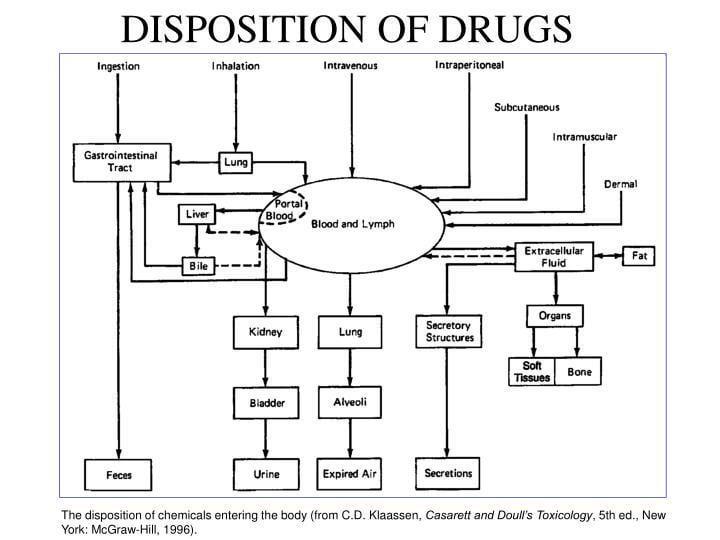
Oral bioavailability does not represent the overall efficacy of a substance, nor does it take into account all pharmacokinetics like brain accumulation or external factors such as emulsifiers, coatings, complexes, etc. that may be used to enhance the bioavailability of substances. While percentages contain both human and rat studies, pharmacokinetics may differ between species.
This guide only measures the oral bioavailabilities of parent compounds, so some metabolites may either invalidate or exacerbate a low score.

Guide: Most percentages are from absolute bioavailability, but some are from urinary excretion. After each estimated oral bioavailability is given, a prediction based off of this source stating "10 or fewer rotatable bonds (R) or 12 or fewer H-bond donors and acceptors (H) will have a high probability of good oral bioavailability" follows.

Very good oral bioavailability (27):
- Adrafinil: >80% | Good: H = 6, R = 5
- Alpha-GPC: ~90%, theorized by examine to be equally as bioavailable as its metabolite Phosphatidylcholine due to being absorbed through similar pathways. | Good: H = 9, R = 8
- Caffeine: 99% | Very good: H = 3, R = 0
- CDP-Choline: >90% | Bad: H = 15, R = 10
- Dynamine: Comparable to caffeine. | Very good: H = 4, R = 1
- Etifoxine: 90% | Very good: H = 3, R = 2
- Fasoracetam: 79-97% | Very good: H = 3, R = 1
- Galantamine: 78% | Very good: H = 5, R = 1
- Ginkgo Biloba: 80% for ginkgolide A, 88% for ginkgolide B and 79% for bilobalide | Good: H = 11, R = 1
- Huperzine-A: 94% | Very good: H = 4, R = 0
- Lithium Orotate: No differences in plasma when compared to lithium carbonate, which is 80-100% orally bioavailable. | Good: H = 6, R = 1
- Methylene Blue: 72.3% | Very good: H = 4, R = 1
- Memantine: 100% | Very good: H = 2, R = 1
- Modafinil: >80% | Good: H = 4, R = 5
- Oxiracetam: 56-82% | Good: H = 5, R = 2
- Phenylpiracetam: 100% | Good: H = 3, R = 3
- Phosphatidylcholine: 90% | Very bad: H = 8, R = 42
- Picamilon: 53-78.9% | Good: H = 6, R = 5
- Piracetam: 100% | Good: H = 3, R = 2
- Pramiracetam: >90% | Good: H = 4, R = 7
- Pterostilbene: 80% | Good: H = 4, R = 7
- Pyritinol: 71% | Good: H = 12, R = 7
- Rhodiola Rosea: 32.1-98% (dose-dependent) | Good: H = 12, R = 5
- Rolipram: 73% | Good: H = 4, R = 4
- Taurine: >90% | Good: H = 6, R = 2
- Theacrine: Comparable to caffeine. | Very good: H = 3, R = 0

Good oral bioavailability (16):
- Ashwagandha: 32.4% | Good: H = 8, R = 2
- Black Seed Oil (Thymoquinone): 58% absolute bioavailability, but its elimination rate is so fast that oral bioavailability is contextually impractical. | Very good: H = 2, R = 1
- Creatine: 53-16% (from lower to higher doses) | Good: H = 6, R = 3
- DHEA: 50% | Very good: H = 3, R = 0
- D-Phenylalanine: ~38% | Good: H = 5, R = 3
- Forskolin: 49.25% | Good: H = 10, R = 3
- Gotu Kola (terpenoids): 30-50% | Very good: H = 4, R = 1
- L-Glutamine: 46% | Good: H = 7, R = 4
- L-Theanine: >47-54% | Good: H = 7, R = 5
- Magnolia Bark Extract: 23.2 and 32.3%, for honokiol and magnolol respectively. | Good: H = 4, R = 5
- Nicotine: ~20-40% | Good: H = 2, R = 1
- Omega-3s: 45% for DHA and it doesn't differ much from EPA. | Bad: H = 3, R = 14
- Phenibut: 65% | Good: H = 5, R = 4
- Rosemary (Carnosic Acid): 65.09% *Personal favorite for sleep -underrated! | Good: H = 7, R = 2
- Valerian Root (Valerenic acid): 33.70%, the Valepotriates don't survive absorption. | Very good: H = 3, R = 2
- Yohimbine: 7-87% (wtf) with a mean 33% in humans... Another says 30% in rats, however the source they provided for that claim does not support that. May require further studies. | Good: H = 6, R = 2

Bad oral bioavailability (10):
- Agmatine Sulfate: 10% (source removed because of automod) | Good: H = 11, R = 4
- Baicalein: 13.1-23% absolute bioavailability. | Good: H = 8, R = 1
- CBD: 13-19% | Good: H = 2, R = 6
- GABA: 9.81% | Good: H = 5, R = 3
- Lion's Mane: 15.13% when looking at Erinacine S, which may apply to other Erinacines, however there are also Hericenones with lesser known pharmacokinetics. Most beta-glucans found in Lion's Mane should boost NGF, but Erinacine A is most recognized for its pharmacological activity. | Good: H = 8, R = 8
- Melatonin: 15% | Good: H = 4, R = 4
- NAC: 9.1%-10% | Good: H = 7, R = 3
- NSI-189: 20% | Good: H = 5, R = 7
- Resveratrol: 20% | Good: H = 6, R = 2
- St. John's Wort: 14% for hypericin and 21% for pseudohypericin | Bad: H = 15, R = 1

Very bad oral bioavailability (18):
- Aniracetam: 0.2%, ~70% becomes N-Anisoyl-GABA, and >30% 2-pyrrolidinone, metabolites with much weaker effects but have been shown to cross the BBB. | Very good: H = 3, R = 2
- Bacopa Monnieri: Surprisingly not much on oral absorption. One study mentions "24% drug release", another claims its LogP for some chemicals demonstrates good absorption (this study talks about low LogP values for bacopasides), but Saponins have usually low bioavailability and it may be too heat degraded by the time you get it anyways. This study claims Bacopaside I is completely metabolized with <1% urinary excretion. Would appreciate solid oral bioavailabilities for all constituents, however. One study suggests its metabolites may have pharmacological activity. | Very bad: H = 29, R = 11
- Berberine: <1% | Very good: H = 4, R = 2
- CoQ10: 2.2% absolute bioavailability (just compare other company claims to this number). | Very bad: H = 4, R = 31
- Curcumin: 0.9%, but as we know Piperine, Longvida, Biocurc, etc. have solved this problem. | Good: H = 8, R = 8
- EGCG: <5% | Bad: H = 19, R = 4
- Ginseng: 0.1-3.7%, is metabolized mostly into M1 (compound K), which has neurological effects. | Very bad: H = 24, R = 10
- Lemon Balm: ~4.13% for Rosmarinic acid (projectedly responsible for most pharmacological activity), 14.7% for Caffeic Acid, an anti-oxidant and anti-inflammatory polyphenol. | Bad: H = 13, R = 10
- Luteolin: 4.10%, it is metabolized mostly into luteolin-3′-O-sulfate which has much weaker effects. | Good: H = 10, R = 1
- Noopept: 9.33% | Good: H = 5, R = 7
- Oroxylin-A: 0.27%, is rapidly eliminated in IV, mainly metabolizes into Oroxylin-A Sodium Sulfonate which is far more bioavailable and may actually even make oral Oroxylin-A more desirable due to its prolonged half life. Unfortunately there is little to no information on Oroxylin-A Sodium Sulfonate, so maybe someone can chime in on its potential pharmacological effects. | Good: H = 7, R = 2
- Oxytocin: Very low oral bioavailability. This makes sense, as it is comprised of an extreme amount of hydrogen bonds. | Very bad: H = 27, R = 17
- Polygala tenuifolia: 0.50 for one of the major components "DISS", <3.25 for tenuifolisides. | Very bad: H = 27, R = 17
- Quercetin: <0.1% becomes sulfate and glucuronide metabolites, one of which, Quercetin-3-O-glucuronide, has high nootropic value. After correcting oral bioavailability to include conjugates, it's 53%. | Good: H = 12, R = 1
- SAM-e: <1% (not enteric coated) | Bad: H = 14, R = 6
- Selegiline: 4% | Good: H = 1, R = 4
- Vinpocetine: 7% | Good: H = 3, R = 4
- 7,8-dihydroxyflavone: 5% | Good: H = 6, R = 1
Possibly very good oral bioavailability (3):
- Emoxypine: From an American's perspective there are no studies, but CosmicNootropics claims it is orally bioavailable. | Very good: H = 3, R = 1
- Magnesium: In my research I have concluded that measuring Magnesium supplements' efficacy this way is impractical and is dependent on many things. Research on Magnesium Oxide oral bioavailability alone varies but the general consensus from my reading is that it goes Mg Citrate > Mg Glycinate > Mg Oxide, with Magtein providing more Magnesium due to L-Threonate. With that being said, this is the tip of the iceberg when it comes to Magnesium forms (Micromag, Magnesium Lysinate Glycinate, etc.) so even though this passage alone took hours, it's too much to digest. | Very good: H = 1, R = 0
- 9-Me-BC: You won't find an accurate number for this substance alone, as it has a limited number of studies, however other β-Carbolines have an oral bioavailability of 19.41%. | Very good: H = 1, R = 0
Possibly good oral bioavailability (8):
- ALCAR: 2.1-2.4% (it possibly saturates mitochondria at just 1.5g and is reabsorbed by the kidneys) | Good: H = 4, R = 5
- BPC-157: Unknown, but appears to have mild evidence of oral efficacy | Very bad: H = 40, R = 39
- Bromantane: They claim "42%" in this singular study, however no evidence is provided as to how they got this number. As we know, Bromantane has low solubility, and has difficulty absorbing even sublingually. From an American's perspective there are no passable studies. | Very good: H = 2, R = 1
- Coluracetam: No information available. Is fat soluble, so should work sublingually. | Good: H = 5, R = 3
- Cordyceps (Cordycepin): When taken orally, cordycepin content metabolizes into 3′-deoxyinosine, which has a bioavailability of 36.8% and can be converted to cordycepin 5′-triphosphate which is required for some of the effects of Cordyceps. | Good: H = 10, R = 2
- Dihexa: Nothing on oral bioavailability really, but this study predicts high oral bioavailability due to its LogP value. | Bad: H = 10, R = 18
- Glycine: Is absorbed into plasma and then gets completely metabolized into other amino acids, mainly serine, which can then increase endogenous glycine biosynthesis until plateau. | Very good: H = 5, R = 1
- Sunifiram: No available information on this one, unfortunately. | Good: H = 2, R = 2
Possibly bad/ very bad oral bioavailability (2):
- Semax and Selank: Was unable to get an exact number, even after trying to search for it in Russian. The general consensus is its oral bioavailability is low due to it being a peptide. | Very bad: H = 21, R = 20
- Sulbutiamine: Surprisingly found nothing. The general consensus is that it is orally bioavailable, however there are no good studies on the pharmacokinetics despite it being prescribed under the name "Arcalion". | Bad: H = 16, R = 19
Statistics:
| Substances | 84 |
|---|---|
| Sources | ~110 |
| Average oral bioavailability | 40.79% |
| Average predicted oral bioavailability | Good: H = 8, R = 6, ~70% in agreement with studies vs. projected 85% |
| Confident answers | 48/84 |
| Possibilities | 13 |
As you can see from these results, it is very flawed to reference flavonoids themselves instead of their metabolites. Because of this discrepancy, results may be negatively skewed. I urge everyone to make the distinction, as metabolites can have altered effects. Another takeaway is that most nootropics are orally bioavailble, but not all are predictable.
(36 supplementary source links here, all preserved in the file)
I hope this was of some use to you. This is an open discussion; if a good enough argument is provided (with sourcing), or a new substance is brought to my attention (again, with sourcing), I may make changes. But I believe this will offer a good perspective on dosing.
This is a repost from five years ago fyi.
credit to reddit user sirsadalot
I decided to include bonus pictures related to bioavailability just to show that you can only really find out through advanced analysis or real world studies. So, ymmv with these calculations or what is commonly dosed in whatever noot or supplement you take. enjoy