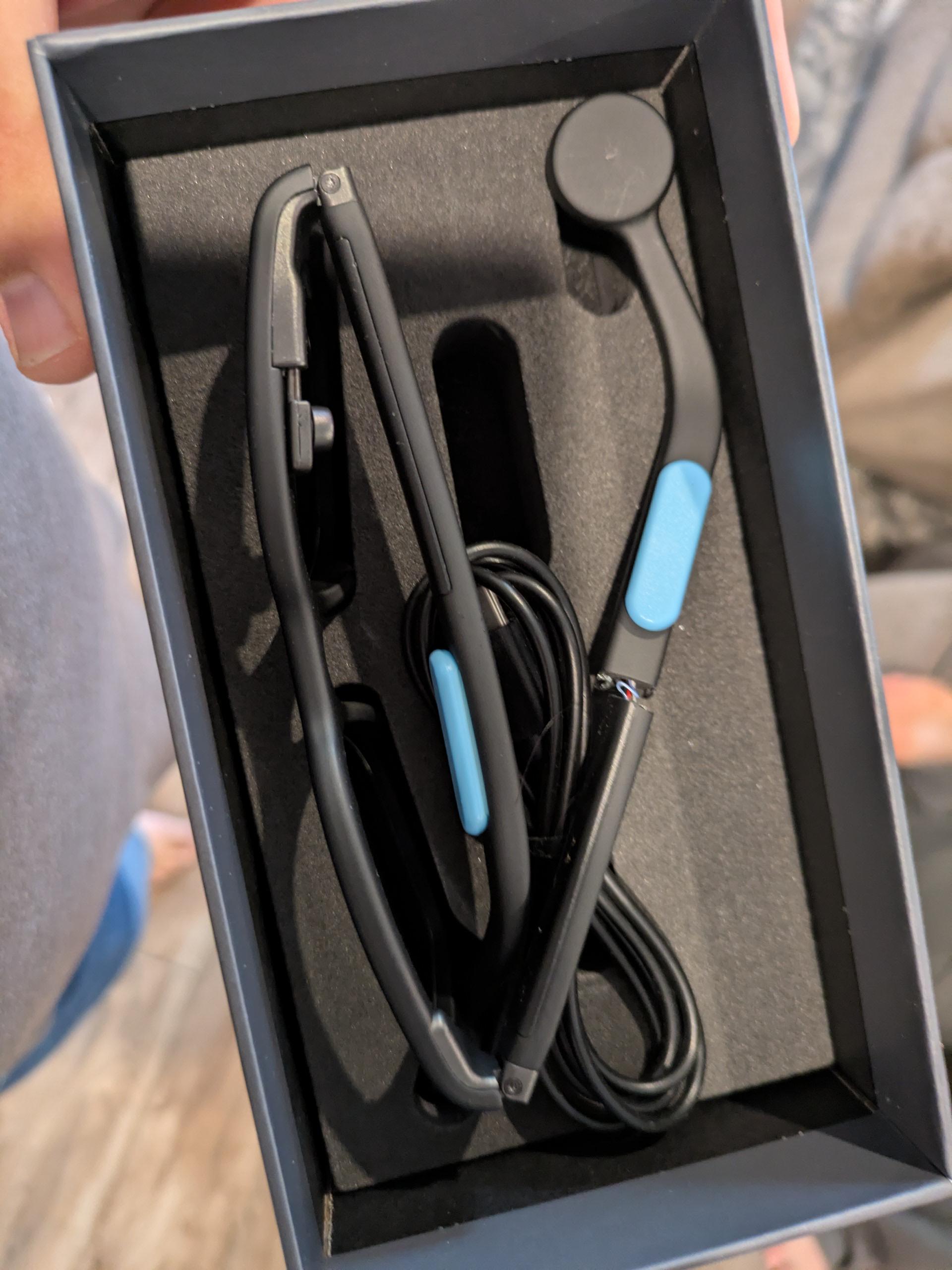
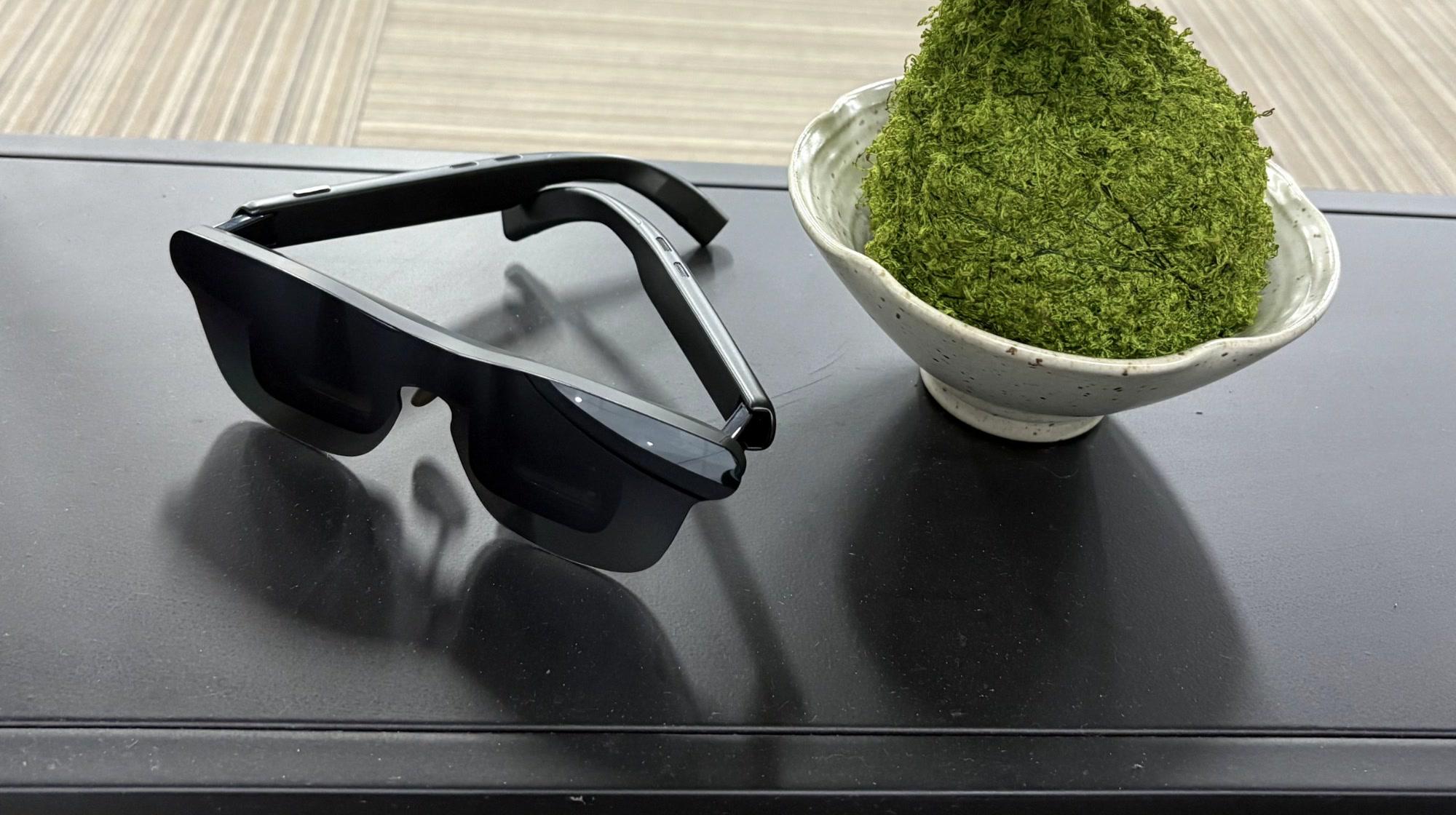
I'm the developer of a voice assistant for smart glasses. It does two things.
The first and main one: live hints. The app on your phone listens to the conversation, catches the question the other person asks you, and about 2 seconds later you hear a short answer in your glasses. It pulls the answer from AI, the web, or files you uploaded, like your CV, a price list or your notes. It knows your voice, so it only reacts to the other person. Useful in a job interview, a client meeting, or Q&A after a presentation.
The second one is new in this version: fact-checking. When the other person says something false or misleading, 2 to 4 seconds later you hear a short correction and where it comes from. You can let it check everything automatically, or only when you say "Hinty, check that".
Nothing gets installed on the glasses, they just work as your speakers.
It's not magic. In my tests the hint arrives after 2.2 seconds on average. Fact-check, on 16 recorded conversations, was right 96% of the time and caught about 84% of the false claims, so it misses some and now and then it's wrong.
What's free and what's not, so nobody feels tricked:
- Free, no limits: controlling AI agents by voice (Claude Code, Codex, Grok Build, OpenClaw, Hermes). On Android also replying to emails, WhatsApp and Messenger.
- Paid: live hints and fact-check, because every minute of speech recognition costs me money. $9.99 a month for 3 hours, and you get a few free minutes to try it first.
It's called Hinty Voice Assistant, on the App Store and Google Play. You can pick a male or female voice, change the speed, or get only the short version of the hint.
Honest question: in what kind of conversation would a hint in your ear help you most? And is fact-checking a step too far?