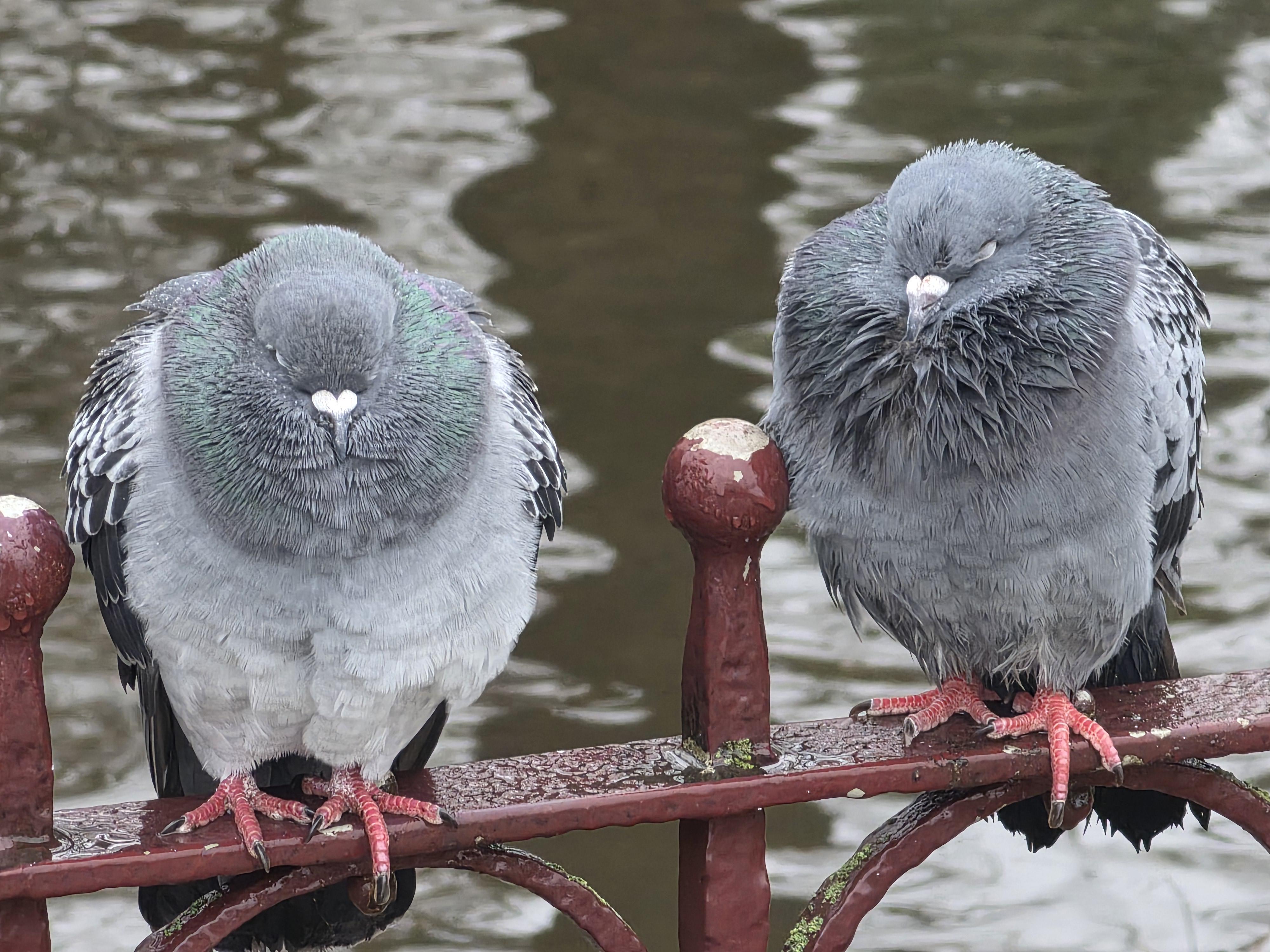
I wanted to share what happened to Max, the young pigeon I had been desperately trying to help. Max was approximately two months old, severely underweight, wasn’t eating independently, and had abnormal droppings. The vet also detected a heart murmur. Several bird rehabilitators who saw photographs of Max’s droppings suspected coccidia, and I showed those photographs to the vet as well. I spent a lot of time trying to find an experienced bird veterinarian, but it was surprisingly difficult. Eventually, I found a practice about two hours away. When I called, I was told an avian and exotic-animal veterinarian would be available that day. This was a major reason I made the long drive. I spent hours at the practice in a cold room with Max, who was extremely fragile. The veterinarian spoke with me initially but did not return to speak with me again before we left. At discharge, I was told that the veterinarian who treated Max was not an avian veterinarian. This was very upsetting, as I had specifically sought avian experience. The vet explained that further diagnostics, including X-rays and bloodwork, could be risky because Max was so fragile. The estimated cost was more than $900. Fecal testing wasn’t possible because he wasn’t producing a usable stool sample, and I hadn’t been told beforehand to bring one. I chose to take Max home with the recommended nutritional support and medication rather than pursue testing because of the risks of handling him. I was later told that I had resisted the treatment plan, which is not how I would describe what happened. I was trying to make the safest decision based on the information I had. The medication prescribed was Baytril injectable, 22.7 mg/mL, with instructions to give 0.1 mL orally every 12 hours. Max weighed 160 grams. I gave him one 0.1 mL dose orally with food at 8 a.m. Wednesday morning and did not give a second dose. I have a photograph of Max from seven thirty p.m. on Tuesday evening, after we had returned from the vet. Looking at it now is heartbreaking because he really did seem more stable that night. He looked brighter and stronger, and he was swallowing the EmerAid emergency food I was carefully feeding him, just as the vet had instructed. I remember feeling hopeful that perhaps he was beginning to improve. It is so painful to look at that photograph now and know how quickly things changed. By Wednesday afternoon and evening, I noticed Max becoming increasingly withdrawn and staying more isolated in his cage. I also began noticing intermittent open-mouth breathing. I became increasingly worried about him. A rehabilitator who was in the area picking up an owl offered to take Max, as he needed tube feeding and I wasn’t comfortable doing that myself. I agreed to let her take him so he could receive the care he needed. After the long drive to the rehabilitation center, and despite being fed multiple times along the way, Max was unable to stand. He passed away within about an hour of arriving. I cannot get past the timing. I keep comparing that Tuesday evening photograph with how he looked later. I can’t help worrying that the Baytril contributed to his deterioration or even caused his death. I know I cannot prove that, but I desperately want to understand whether the medication, dosage or formulation could have played a role. Several experienced bird rehabilitators advised against continuing the antibiotic because of his extreme frailty. I contacted the veterinary practice after Max died and requested a call from the veterinarian to discuss what happened. I never received a response. I’m still in disbelief that Max is gone. I tried so hard to find help for him, and I wanted so badly for him to survive. I’m absolutely heartbroken. I’m sharing this because I’d genuinely appreciate input from people experienced with pigeons and avian medicine. Has anyone encountered a similar situation with Baytril in a severely malnourished pigeon? Could it have contributed to respiratory symptoms? I know nobody can diagnose what happened from a post. I’m just desperately trying to understand. Thank you to everyone who cared about Max. He was such a little bird, but he meant so much to me.