r/whatsthisbug • u/Kingofthe48 • 5m ago
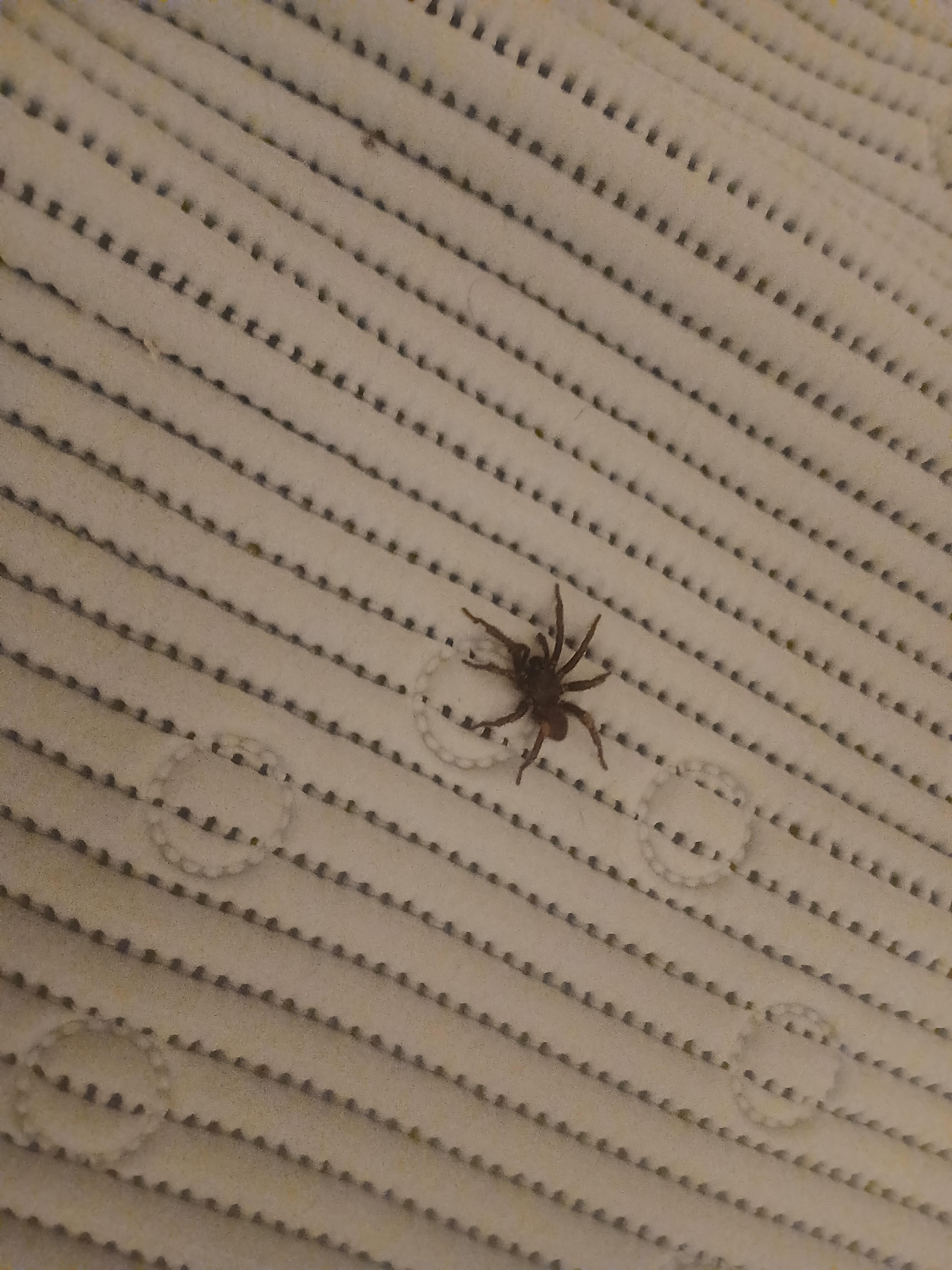
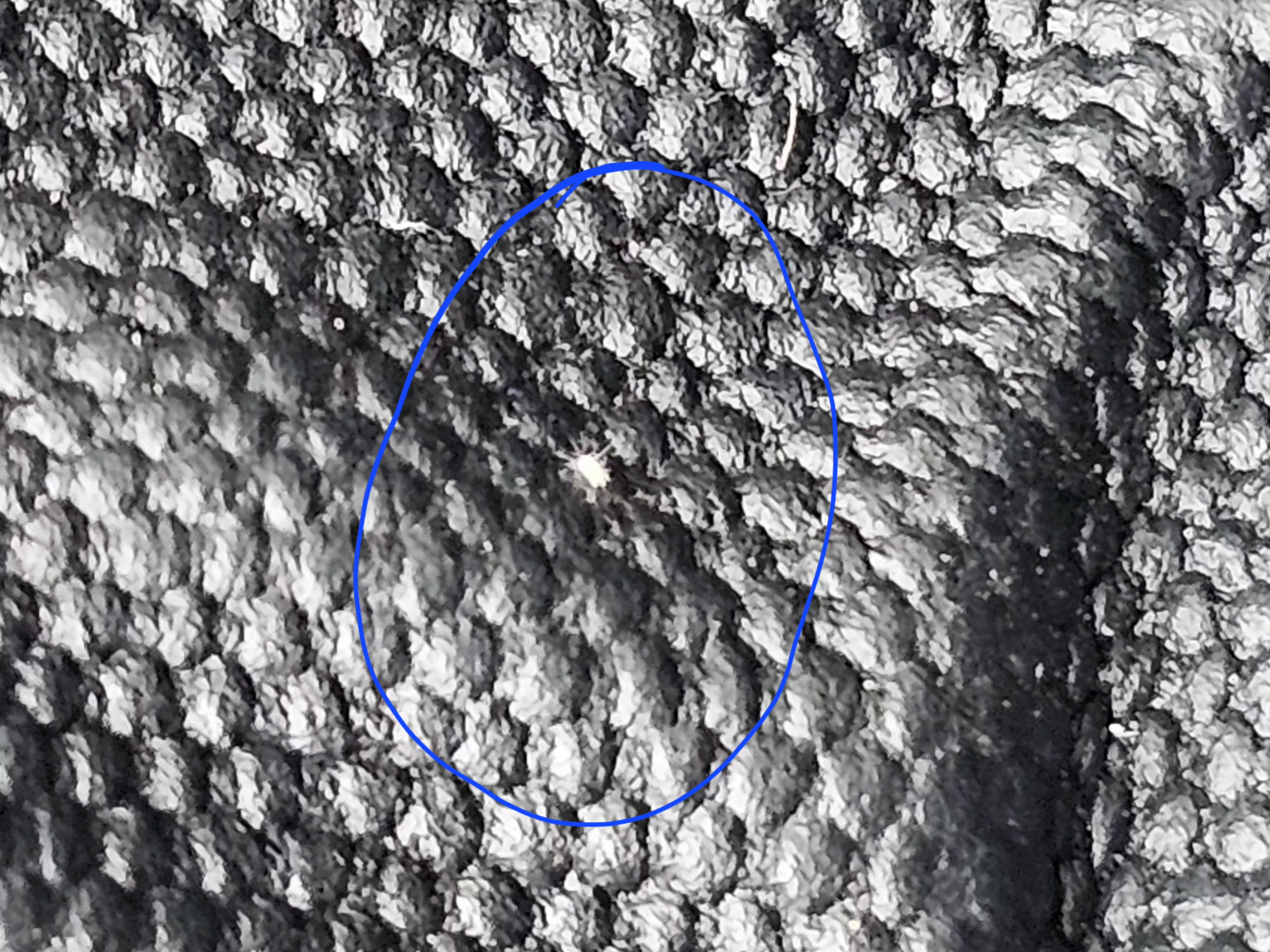
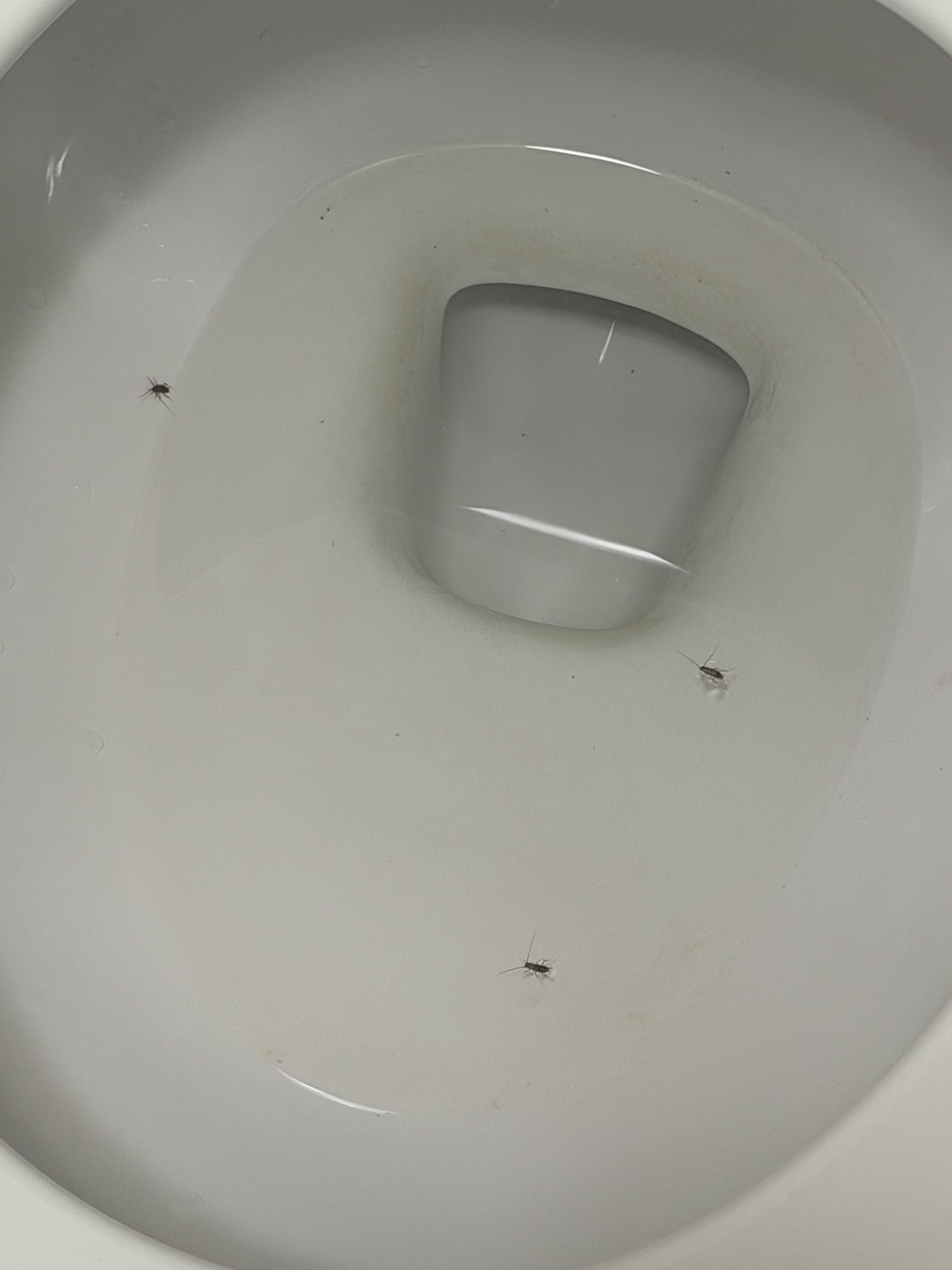
ID Request I’ve been battling a mysterious infestation in my semi-truck for months. I’ve found larvae, tiny cocoons, silk-like threads, and moths. Both my dog and I have developed skin problems. I’ve tried numerous treatments with no lasting success. What could this be?

PLEASE HELP IDENTIFY THIS INFESTATION – MONTHS OF DEALING WITH LARVAE, SILK THREADS, COCOONS, POSSIBLE CLOTHES MOTHS, AND UNEXPLAINED SKIN PROBLEMS AFFECTING BOTH ME AND MY DOG
I’m posting here because I’ve been dealing with an extremely unusual and frustrating infestation for months, and despite everything I’ve tried, I still haven’t been able to get to the bottom of it.
I’m hoping someone with experience in entomology, pest control, textile pests, parasitic insects, or veterinary dermatology might recognize what I’m describing.
I want to explain the entire situation because there are several things happening simultaneously, and I’m wondering whether they could be connected.
1. My living environment – inside a long-haul semi-truck
I’m a professional OTR truck driver, and I spend a considerable amount of time living and sleeping inside my semi-truck. Essentially, my truck is my living space while I’m traveling across the country.
The problem started developing while I was spending extended periods inside the truck. Over time, I began noticing unusual particles, tiny organisms, hairs, threads, and what appeared to be larvae or insect-related material.
Eventually, I started finding evidence that looked consistent with a textile-related insect infestation.
The problem seemed particularly noticeable inside the enclosed truck environment, especially when it was warm, humid, or when I was sweating.
The infestation appeared to involve multiple areas:
Truck cab and sleeping area.
Clothing and personal belongings.
Bedding and blankets.
Fabrics and materials stored inside the truck.
Potentially my dog’s bedding, fur, and other fabrics he comes into contact with.
This wasn’t something I noticed once or twice. It became an ongoing problem over several months.
2. Larvae, cocoons, moths, and silk-like threads
One of the most concerning things was discovering what appeared to be insect larvae, pupae, cocoons, and adult moths.
I started collecting specimens and taking photographs because I wanted to understand exactly what I was dealing with.
Among the things I documented were:
Small larvae that appeared to be associated with fabrics.
What appeared to be portable larval cases.
Silk-like threads and webbing.
Small cocoons or pupal structures.
An adult moth that I photographed.
Remnants of what appeared to be insect casings or developmental stages.
At one point, based on photographs I shared, the suspected identification was a case-bearing clothes moth (Tinea pellionella).
From what I understand, these moths have a lifecycle involving eggs, larvae, portable protective cases, pupation, and adult moths.
The larvae can use silk and fibers from their surroundings to construct protective cases.
However, I still don’t know whether this identification explains everything I’ve been experiencing.
I’m particularly interested in knowing whether anyone has encountered a significant case-bearing clothes moth infestation inside a vehicle or truck cab.
Could these insects survive and reproduce inside a truck, particularly when clothing, bedding, upholstery, and other fabrics are constantly present?
3. Unusual skin problems affecting me
This is where the situation becomes particularly confusing.
During the same general period, I began experiencing unusual skin problems.
I noticed:
Small raised bumps and lesions.
Open sores and wounds on different parts of my body.
Areas involving my hands, arms, legs, face, and scalp.
Unusual hairs, fibers, or thread-like material appearing on my skin and clothing.
Occasional crawling sensations.
Material that appeared to be embedded in or emerging from certain skin lesions.
On some occasions, when I disturbed or removed crusts from the affected areas, I noticed tiny, hard, round particles underneath or coming out with the material.
I initially wondered whether some of these particles could be insect eggs, although I have never had them scientifically identified.
I also experienced episodes where shaking my hair or touching around my ears seemed to dislodge several tiny objects or organisms.
I want to be clear that I cannot establish whether these observations are actually insects, insect material, textile fibers, skin debris, or something else.
That’s one of the reasons I’m asking for help.
I don’t want to jump to conclusions about what’s happening to my skin. I want to understand whether there is an environmental explanation, an unrelated dermatological condition, or potentially more than one problem occurring simultaneously.
4. My dog is experiencing problems too
Another reason I’m concerned is that my dog has also experienced skin problems during this period.
I noticed:
Raised bumps and skin lesions.
Itching and restlessness.
Unusual material that appeared to resemble hairs or fibers.
Skin irritation and wounds.
At one point, his appetite was also noticeably reduced.
I eventually pushed for a veterinary evaluation, and the veterinarian prescribed Revolution Plus.
I’ve been particularly concerned about whether my dog could be exposed to the same environmental factors or insects inside the truck.
Could textile pests, their larvae, their cases, or other environmental contaminants cause irritation in animals?
Could there be an entirely separate parasite or dermatological condition affecting both of us?
I don’t want to assume that the insects I’m finding are necessarily responsible for the skin problems, but the timing and shared environment make me wonder whether there’s a connection.
5. Treatments and things I’ve already tried
I’ve spent considerable time attempting to eliminate whatever is causing this problem.
Some of the things I’ve tried include:
Permethrin-based treatments.
Diatomaceous earth.
Insect foggers.
Vinegar applications.
Various essential oils.
Frequent washing of clothing and bedding.
Repeated cleaning and disinfection of the truck interior.
Attempts to remove or eliminate suspected contaminated materials.
I’ve also experimented with topical products, including Lotrimin (clotrimazole), which seemed to provoke an unusual reaction in some affected areas.
Some measures appeared to provide temporary or partial relief, but nothing has definitively resolved the overall situation.
Despite repeated cleaning and treatment attempts, I continued noticing suspicious material and experiencing skin problems.
At this point, I’m trying to understand whether I’ve been targeting the wrong organism, whether there are multiple problems, or whether the original infestation has persisted somewhere in the truck.
6. What I’m trying to figure out
There are several questions I’d really appreciate knowledgeable people weighing in on:
Is the case-bearing clothes moth (Tinea pellionella) a plausible identification based on the larvae, portable cases, silk threads, pupae, and adult moth I documented?
Can these moths establish a persistent infestation inside a semi-truck, particularly in bedding, clothing, upholstery, and other fabrics?
Can their larvae, shed material, silk, or protective cases cause skin irritation in humans or dogs?
Are there other insects or organisms that could produce similar silk-like threads, cocoons, larvae, and small hard particles?
Could there be a secondary infestation involving another insect or mite that I’m overlooking?
Is it possible that the textile infestation and the skin problems are two separate issues that happen to be occurring in the same environment?
What would be the most reliable way to identify the organisms? Would professional microscopic examination of collected specimens be necessary?
For anyone experienced in pest control, what is the most effective way to investigate and eliminate a suspected clothes moth infestation inside a vehicle that is also being used as a living space?
7. Why I’m posting
I’m not looking for someone to simply tell me that it’s bedbugs, fleas, scabies, or ordinary allergies without examining the actual evidence.
I’ve been dealing with this for months, I’ve photographed and collected physical specimens, and I’ve tried numerous approaches to get rid of the problem.
I have photographs documenting some of the larvae, moths, pupal structures, and other material I’ve discovered.
I’m particularly interested in hearing from:
Entomologists.
Professional exterminators.
People experienced with clothes moth infestations.
Veterinarians familiar with parasitic skin conditions.
Anyone who has experienced a similar infestation inside a vehicle, RV, camper, or enclosed living space.
Has anyone encountered something like this before?
What do you think I’m dealing with? Could a case-bearing clothes moth infestation explain some of these observations, or should I be investigating an entirely different organism?
I’m willing to provide photographs and additional details. I genuinely want to identify the source rather than continue guessing and treating the wrong thing.
Any informed advice, identification help, or suggestions for professional testing would be greatly appreciated.